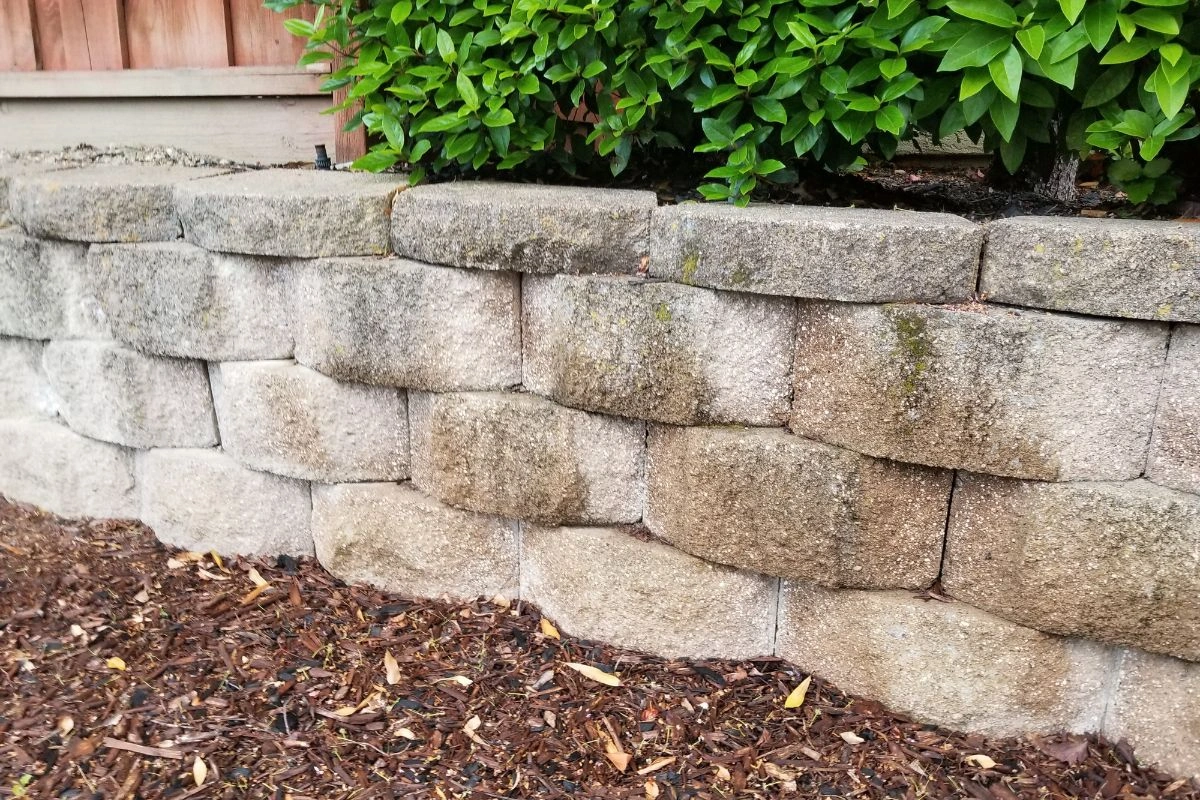
Retaining walls last 15-100 years, depending on material type and construction quality. Concrete and natural stone walls deliver the longest lifespan at 100+ years with minimal maintenance, while timber walls typically provide 15-30 years of service. Gabion walls (stone-filled wire cages) fall in the middle range at 50-100 years.
The actual lifespan of your retaining wall is determined by four critical factors working together: material selection, construction methods, environmental conditions, and maintenance practices. Walls built with proper drainage systems, adequate reinforcement, and solid foundation preparation in suitable climates consistently reach their maximum lifespan potential. Poor drainage remains the leading cause of premature failure, and water buildup creates excessive pressure that leads to structural collapse and costly repairs.
Key Takeaways:
- Concrete walls: 100+ years | Best for high-moisture areas, minimal maintenance, reinforcement options available
- Natural stone walls: 100+ years | Superior weather resistance, highest initial cost, timeless aesthetics
- Gabion walls: 50-100 years | Excellent drainage, minimal maintenance, ideal for wet conditions
- Timber walls: 15-30 years | Requires regular sealing every 2-3 years, most affordable upfront, moisture-vulnerable
- Critical success factors: Proper drainage systems prevent 70% of premature failures, reinforcement (geogrids/tiebacks) doubles load capacity, and foundation quality determines long-term stability
- Maintenance schedule: Inspect twice yearly (spring/fall) plus after severe weather, address cracks immediately, ensure drainage remains clear
Understanding these lifespan expectations and maintenance requirements helps you choose the right retaining wall material for your specific soil conditions, climate, and budget while avoiding costly premature failures.
Understanding Retaining Wall Lifespan
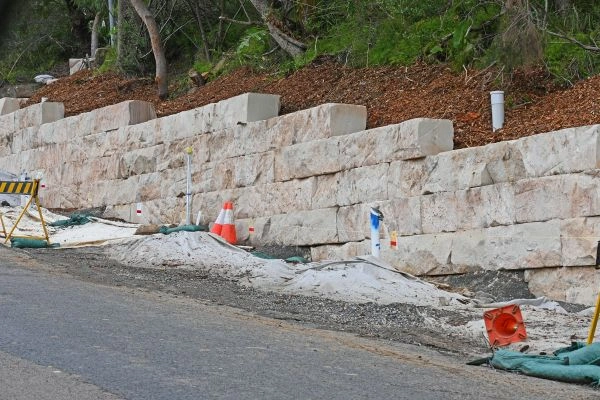
Retaining walls typically last between 15 and 100 years based on materials and construction quality. Multiple factors determine the actual lifespan of these essential structures. Material selection plays a crucial role in longevity and performance. Proper construction methods significantly impact how well walls withstand pressure over time.
This guide examines the key factors that affect retaining wall durability. You’ll discover how different materials compare in terms of longevity. Environmental conditions and their effects on wall integrity will be explored. Design considerations that extend structural lifespan are also covered. Maintenance practices that preserve walls for decades will be detailed. Warning signs of potential failure will help you identify problems early.
Key Factors That Determine Retaining Wall Durability
Several critical elements directly impact how long your retaining wall will last. Material choice, design quality, construction methods, and environmental factors all play vital roles. These components work together to determine your wall’s strength and lifespan. Every decision you make affects performance and longevity. Choosing the right materials matters. Following proven construction practices makes a difference. Understanding these factors helps you build walls that truly stand the test of time. The following sections explore each element in detail. You’ll discover what creates a durable retaining wall. This knowledge empowers you to make informed decisions about your project. A well-built wall protects your property for decades when constructed properly.
Material Quality
The quality of materials directly impacts how long retaining walls last and perform. Material strength, durability, and weather resistance determine wall longevity and structural integrity. Common building materials include concrete, stone, brick, and lumber for these structures. Each material type offers different performance characteristics and expected lifespans for your project. Selecting appropriate materials ensures your wall meets specific site requirements and environmental conditions. Professional assessment helps identify the best material choice for your particular soil and drainage needs.
Poured concrete retaining walls deliver exceptional strength and long-lasting performance for structural applications. These walls require minimal upkeep while providing superior load-bearing capacity over time. Concrete’s inherent strength makes it ideal for demanding applications and challenging soil conditions. Natural stone offers outstanding durability combined with attractive aesthetics for residential and commercial projects. While stone costs more initially, its longevity and visual appeal justify the investment. Both materials provide reliable performance when properly installed and maintained throughout their service life. Understanding material properties helps property owners make informed decisions about wall construction methods. Comparing long-term costs and benefits guides the selection of the most suitable building material.
Design and Construction Methods
Proper design and construction techniques ensure retaining walls perform as intended for years. Foundation preparation determines structural stability and prevents premature failure or settlement issues. Using appropriate materials and achieving proper soil compaction creates a solid base for construction. Poor foundation work leads to instability and reduces the wall’s functional lifespan significantly.
Reinforced retaining walls use steel bars to handle heavier loads and improve structural capacity. These reinforced structures are sometimes called cantilevered walls in engineering applications. Additional reinforcement options include geogrids, tiebacks, or anchors for enhanced soil pressure resistance. These elements work together to prevent erosion and maintain wall integrity over time. Effective drainage systems and correct backfilling protect against erosion that weakens structural stability. Following established design standards extends service life regardless of whether you use blocks or masonry. Adhering to construction best practices creates durable structures that resist soil pressure and erosion forces.
Environmental Factors
Environmental conditions significantly affect how long retaining walls remain structurally sound and functional. Rainfall, temperature fluctuations, and soil characteristics create stress on these structures over time. Heavy rain can cause soil erosion that increases collapse risk and compromises stability. Proper drainage becomes essential to manage water flow and protect structural integrity long-term.
Temperature changes cause materials to expand and contract throughout seasonal cycles each year. This repeated movement creates cracks and structural damage that accumulates over extended periods. Freeze-thaw cycles in colder climates accelerate deterioration and require careful material selection. Soil drainage and moisture retention properties directly influence wall stability and expected lifespan. Understanding these environmental factors helps you plan for appropriate materials and construction methods. Addressing climate conditions during design ensures your retaining walls withstand local weather patterns effectively.
How Long Do Different Retaining Wall Types Last
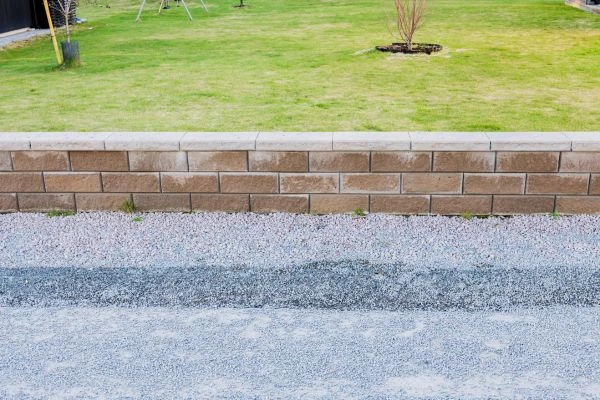
Retaining wall durability depends heavily on construction materials. Wall lifespan varies based on material quality, design, installation, and ongoing maintenance. Some walls last 25 years while others endure for a century. Common options include concrete, timber, natural stone, gabion baskets, and segmental precast units. Each material provides unique benefits and drawbacks with different longevity expectations. High-quality retaining walls effectively prevent soil erosion and resist harsh weather conditions. These durable structures remain popular choices for professional builders and contractors. Choosing the right retaining wall requires understanding expected lifespan and maintenance needs. Well-built walls serve crucial landscaping functions by preventing soil erosion and maintaining terrain stability. Understanding different wall types helps property owners make informed decisions. The sections below examine specific wall varieties in detail. You’ll learn about the expected service life for each type. Proper maintenance requirements for lasting stability are also covered. This information helps ensure your retaining wall maintains both function and appearance.
Understanding Concrete Retaining Walls
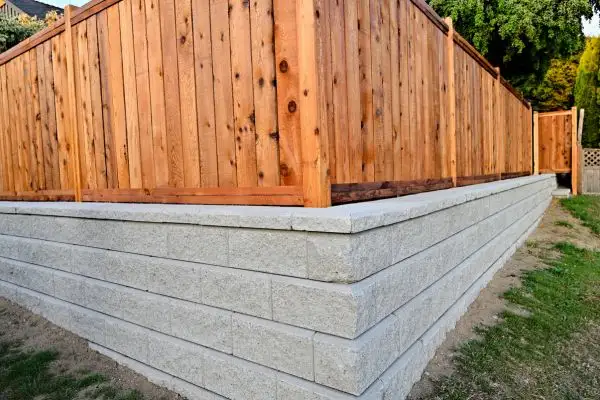
Concrete retaining walls offer exceptional durability and strength for soil management projects. These structures can last over 100 years when built with interlocking concrete blocks. Their long lifespan and low maintenance needs make them ideal for areas with high moisture. Concrete options continue to gain popularity due to their reliable performance in various conditions. Property owners appreciate the minimal upkeep required throughout the wall’s extended service life.
Adding reinforcement elements like geogrids, tiebacks, or soil anchors strengthens these structures significantly. These reinforcements help walls resist pressure from surrounding soil more effectively. They also prevent soil erosion and maintain ground stability over time. Reinforced walls handle environmental stress better than standard construction methods. This added strength makes them suitable for challenging terrain and weather conditions. Engineers recommend reinforcement for walls supporting heavy loads or unstable soil.
Properly constructed concrete retaining walls provide reliable barriers against soil movement and erosion. Their exceptional longevity makes them cost-effective for residential and commercial applications. When compared to other materials, concrete delivers superior value over decades of use. These walls require fewer repairs and replacements than alternative construction methods. Property owners save money through reduced maintenance costs and extended structural life.
Exploring Timber Retaining Walls
Timber retaining walls typically last between 15 and 30 years with proper care. Regular maintenance helps extend their functional lifespan considerably beyond standard expectations. Staining and sealing protect the wood from moisture damage and deterioration. Addressing rot or decay quickly prevents minor issues from becoming major structural problems. Consistent care ensures these walls remain stable and safe throughout their service period. Choosing quality treated lumber from the start provides a stronger foundation for longevity.
Treated lumber works well for retaining wall construction, but needs ongoing attention. Moisture protection remains essential for maintaining structural integrity over time. Regular inspections help identify potential problems before they compromise wall stability. Preservation efforts keep timber walls functional and safe for their intended purpose. Proper maintenance practices maximize the value of your timber wall investment.
Learning About Natural Stone Retaining Walls
Natural stone retaining walls can last over 100 years when built correctly. These structures resist weathering and decay across different climate conditions exceptionally well. Their natural composition provides inherent strength against environmental factors and temperature changes. Stone walls maintain their structural integrity through decades of exposure to the elements. The dense material naturally resists moisture penetration and prevents internal structural damage. This remarkable durability makes them a worthwhile long-term investment.
Proper construction techniques enhance both the strength and appearance of stone walls. These methods ensure walls remain stable and attractive throughout their extended lifespan. The combination of beauty and durability appeals to residential and commercial property owners. Stone walls add natural elegance while providing essential soil retention functions. Their timeless appearance complements various landscape designs and architectural styles.
Discovering Gabion Retaining Walls
Gabion retaining walls use stone-filled wire cages that last 50 to 100 years. These structures require minimal maintenance while providing excellent drainage capabilities for soil management. Their design allows water to flow through freely, reducing pressure behind the wall. This drainage feature helps prevent soil erosion and displacement effectively. The flexible nature of gabions also allows them to adapt to ground movement without cracking. Gabions offer both functionality and longevity for retaining wall applications.
The wire mesh structure provides significant strength while allowing easy material replacement when needed. Adding or replacing fill stones maintains wall integrity without extensive reconstruction work. These walls work especially well in areas requiring superior water drainage solutions. Their permeable design prevents water buildup that can damage solid wall structures. Gabions deliver reliable performance in wet conditions and flood-prone areas.
Conclusion
Understanding retaining wall lifespans empowers you to make informed decisions for your property. Concrete and natural stone walls deliver 100+ years of service, while timber options provide 15-30 years with proper maintenance. Your wall’s longevity depends on material selection, construction quality, drainage systems, and ongoing care. Environmental factors like freeze-thaw cycles and soil conditions significantly impact structural integrity over time.
Don’t compromise on construction quality; poor foundation work and inadequate drainage lead to premature failure and costly repairs. Invest in proper reinforcement, quality materials, and professional installation to maximize your wall’s lifespan. Regular inspections help identify warning signs early, preventing minor issues from becoming major structural problems.
Ready to build a retaining wall that stands the test of time? Contact Baird Construction for expert consultation and professional installation services. Our experienced team ensures proper design, quality materials, and construction techniques that protect your property for decades to come.
FAQs
What is the most durable type of retaining wall?
Concrete and natural stone retaining walls offer the longest lifespan, lasting over 100 years when properly constructed. These materials resist weathering, decay, and environmental stress better than alternatives. Their superior durability justifies the higher initial investment through decades of reliable performance with minimal maintenance requirements.
How often should I inspect my retaining wall?
Inspect your retaining wall at least twice yearly, once in spring and once in fall. Look for cracks, bulging, leaning, or drainage issues that indicate structural problems. After heavy storms or freeze-thaw cycles, conduct additional inspections to catch damage early before it compromises wall integrity.
Can I extend my timber retaining wall’s lifespan?
Yes, regular maintenance significantly extends timber wall life. Apply wood stain and sealant every 2-3 years to protect against moisture damage. Address the rot immediately by replacing affected sections. Ensure proper drainage behind the wall to prevent water accumulation that accelerates wood deterioration.
What causes retaining walls to fail prematurely?
Poor drainage is the leading cause of premature retaining wall failure. Water buildup increases pressure behind walls, causing structural stress and collapse. Inadequate foundation preparation, incorrect backfilling, lack of reinforcement, and substandard materials also contribute to early failure and reduced lifespan.
How much does retaining wall material affect maintenance costs?
Material choice dramatically impacts long-term maintenance expenses. Concrete and stone walls require minimal upkeep, occasional cleaning, and drainage checks. Timber walls need regular sealing, rot treatment, and eventual board replacement. While concrete costs more initially, lower maintenance needs make it more cost-effective over the decades.
Leave Your Comment