Commercial construction is the specialized building sector that creates functional spaces for business operations and community infrastructure, including retail centers, office buildings, healthcare facilities, warehouses, hotels, and multi-family housing developments. Unlike residential construction, commercial projects require expertise in code compliance, large-scale project management, and specialized building systems. For property owners seeking reliable partners for their next project, Baird Concrete Construction offers comprehensive solutions backed by years of industry experience.
Key Commercial Construction Services Include:
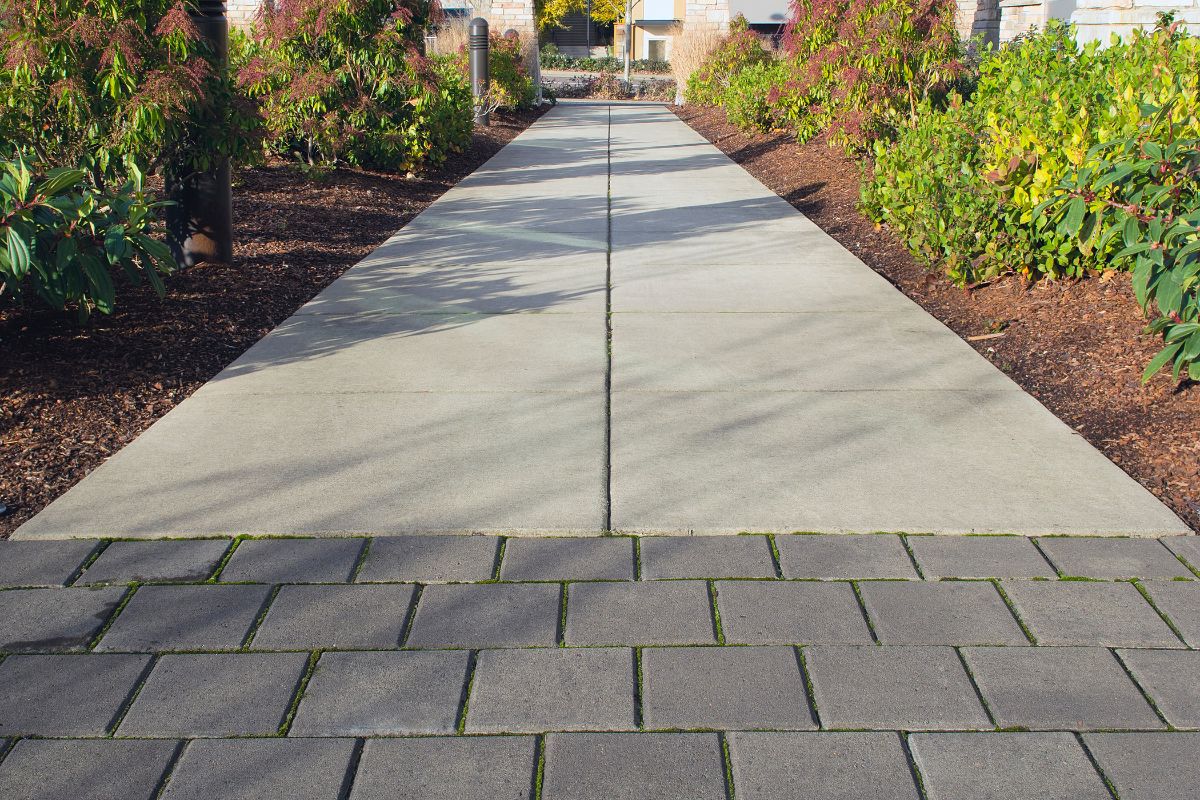
- Foundation and structural concrete work (sidewalks, parking areas, driveways)
- Site management and drainage solutions
- Retaining walls and paving systems
- Commercial landscaping and water features
- Exterior lighting installations
- Surface maintenance and protection
The Commercial Construction Process Involves:
- Initial planning and blueprint development
- Securing permits and regulatory approvals
- Site preparation and foundation work
- Installing essential building systems (plumbing, electrical, HVAC, drainage)
- Interior and exterior space development
- Quality control and safety inspections
- Final completion and handover
Cost Factors: Project expenses depend on building scale, design complexity, regional market variations, site conditions, material choices, regulatory compliance, project duration, and professional team selection.
Commercial construction projects require coordination between project managers, architects, engineers, specialized contractors, and inspectors to deliver safe, functional, and code-compliant structures that support long-term business objectives.
Understanding Commercial Construction
Commercial construction represents a specialized sector within the building industry, encompassing projects that create functional spaces for business operations and community needs. From retail centers to healthcare facilities, industrial complexes to multi-family residential buildings, this field demands expertise in transforming architectural visions into durable, code-compliant structures that serve specific operational requirements.
The commercial construction process extends beyond traditional building techniques. Successful projects integrate comprehensive planning, precise execution, and adherence to stringent industry regulations established by organizations like the International Code Council. Each phase, from initial site preparation to final inspection, requires attention to detail, quality craftsmanship, and commitment to delivering spaces that support long-term business objectives and community infrastructure.
Essential Services in Commercial Construction
Professional commercial construction encompasses a diverse range of specialized services, each contributing to the overall functionality and aesthetic appeal of business properties and community spaces.
Foundation and Structural Concrete Work
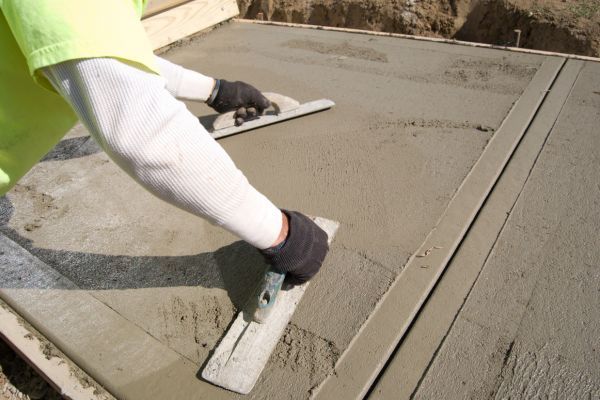
Quality concrete work forms the backbone of durable commercial construction. Expert concrete contractors deliver:
- Sidewalks and walkways that ensure safe pedestrian access while enhancing property curb appeal
- Parking areas and driveways are engineered to withstand heavy traffic and commercial vehicle loads
- Structural foundations for garages, basements, and ground-level commercial spaces
- Pool installations that create recreational amenities for multi-family properties and commercial facilities
Professional finishing techniques, including stamped patterns, broom textures, smooth surfaces, colored concrete, exposed aggregate, and protective overlays, allow property owners to balance functionality with visual design that reflects brand identity and project requirements. The American Concrete Institute provides industry standards that guide these specialized applications.
Site Management and Drainage Solutions
Effective water management protects commercial investments and ensures site longevity. Exterior drainage systems prevent water damage, foundation issues, and landscape erosion. Professional installation considers:
- Proper grading to direct water away from structures
- Strategic placement of drainage channels and collection points
- Integration with existing municipal systems
- Long-term maintenance accessibility
These systems safeguard property value while meeting building codes and environmental regulations essential in commercial development. The EPA’s construction sector guidelines provide frameworks for sustainable site management practices.
Retaining Walls and Paving Systems
Structural retaining walls serve dual purposes in commercial construction, providing necessary grade changes while creating visually defined spaces. These installations:
- Manage terrain challenges on sloped commercial properties
- Create usable levels for parking, landscaping, and building placement
- Enhance property aesthetics through thoughtful material selection
- Provide long-lasting solutions engineered for commercial-grade durability
Omni-Stone paving systems complement retaining wall installations, offering durable surfaces for driveways, walkways, and outdoor gathering spaces. These systems withstand heavy foot traffic and vehicle use while maintaining a professional appearance throughout their service life.
Commercial Landscaping and Water Features
Professional landscaping services transform commercial properties into welcoming environments that attract customers and support business objectives. Comprehensive services include:
- Custom waterfall and pond installations that create focal points and peaceful atmospheres
- Strategic plantings that provide year-round visual interest while managing maintenance requirements
- Hardscape integration that balances functional space with natural elements
Water features add distinctive character to commercial properties, from hotel courtyards to office complexes, creating memorable environments that enhance property value and user experience.
Exterior Lighting Systems
Professional exterior lighting serves critical functions in commercial construction. Well-designed lighting installations:
- Enhance security by illuminating parking areas, walkways, and building perimeters
- Highlight architectural features and landscaping elements
- Extend operational hours for outdoor commercial spaces
- Meet safety requirements and building codes
- Reduce liability while creating inviting environments
Strategic lighting placement balances energy efficiency with comprehensive coverage, supporting both practical needs and aesthetic goals.
Maintenance and Protection Services
Preserving commercial construction investments requires ongoing maintenance. Professional cleaning and sealing, additional services, protect outdoor surfaces from:
- Weather-related deterioration and UV damage
- Traffic wear and chemical exposure
- Staining and discoloration
- Premature surface degradation
Regular maintenance extends the lifespan of concrete, paving, and other exterior surfaces, protecting the substantial investments made in commercial construction while maintaining a professional appearance that reflects positively on businesses and property values.
Key Elements of Successful Commercial Construction Projects
Achievement in commercial construction relies on coordinated expertise across multiple disciplines. Essential team members include:
- Project managers who orchestrate timelines, budgets, and daily operations to keep projects on schedule
- Architects and engineers who design structures meeting functional requirements and building codes
- Specialized contractors who execute concrete work, drainage installation, landscaping, and other technical services
- Inspectors who verify compliance with safety standards and regulatory requirements
- Developers who manage financial frameworks and legal obligations
Effective collaboration between these professionals creates efficient workflows that prevent delays, control costs, and ensure quality outcomes. Clear communication channels allow teams to address challenges proactively, adapt to site conditions, and deliver commercial construction projects that meet exacting standards while supporting business operations and community needs.
Strategic planning establishes realistic timelines and resource allocation from project inception. This foundation enables teams to navigate the complexities of commercial construction—from permit acquisition to final inspection, while maintaining the quality, safety, and functionality that define successful commercial building projects.
Understanding Commercial Construction Projects
Commercial construction encompasses various building types designed for business and community purposes. These projects transform empty lots into functional spaces that serve diverse needs while supporting economic growth through quality infrastructure development.
Common Types of Commercial Construction Projects
Commercial construction includes several distinct building categories. Each type serves specific business needs and requires unique planning approaches, specialized expertise, and attention to both functionality and durability.
Retail Structures
Retail buildings house stores and shopping centers where customers purchase goods and services. These spaces need attractive designs with durable concrete work for sidewalks, patios, and parking areas that draw in shoppers while withstanding heavy foot traffic. The layout must optimize product display and customer flow through well-planned entrance pathways featuring Omni-Stone paving systems that combine durability with visual appeal. Exterior lighting enhances security and aesthetics, creating inviting storefronts that operate safely during evening hours.
Multi-Family Housing
Apartment complexes provide residential units for multiple families under one development. These buildings require careful attention to soundproofing, privacy features, and outdoor amenities that enhance property value. Professional landscaping with waterfalls, ponds, and custom features creates serene common areas that attract and retain residents. Exterior drainage systems protect the foundation and prevent water damage that could compromise structural integrity. Quality concrete driveways and walkways ensure safe, attractive access throughout the property.
Warehouse Facilities
Warehouse structures store inventory and support distribution operations for businesses requiring reliable infrastructure. These buildings prioritize high ceilings and open floor plans with durable concrete flooring that supports heavy equipment and constant material movement. Loading docks need specialized concrete foundations capable of withstanding repeated impact from delivery vehicles. Exterior drainage systems manage water runoff from large roof surfaces, protecting valuable inventory and preventing operational disruptions.
Hospitality Buildings
Hotels offer temporary lodging with amenities that cater to travelers and guests seeking comfort and convenience. These structures balance aesthetic appeal with functional layouts that include custom pool installations, providing perfect blends of style and functionality for guest recreation. Landscaping with waterfalls and ponds creates tranquil outdoor environments that enhance the guest experience. Well-designed patios and outdoor fire pits, and gathering spaces extend usable area while exterior lighting ensures safety and ambiance throughout the property.
Healthcare Spaces
Healthcare facilities include clinics, medical offices, and outpatient centers for patient care requiring specialized construction standards. These buildings demand strict adherence to health and safety regulations, with accessible concrete sidewalks and ramps ensuring all patients can navigate the facility safely. Exterior lighting provides security for parking areas where patients and staff arrive at all hours. Retaining walls manage grade changes while creating attractive, functional landscapes that contribute to healing environments.
Office Complexes
Office buildings provide professional workspaces where businesses conduct daily operations and serve clients. Modern construction integrates technology infrastructure throughout the entire structure while incorporating outdoor amenities that enhance employee satisfaction. Landscaping with ponds and waterfalls creates peaceful break areas that boost productivity and morale. Concrete patios and walkways connect parking areas to building entrances, while Omni-Stone paving systems add professional aesthetics to courtyards and gathering spaces. Cleaning and sealing services maintain these surfaces, protecting them from wear and ensuring long-term beauty that reflects positively on tenant businesses.

Understanding the Essential Phases of Commercial Construction
Commercial construction projects demand meticulous coordination and systematic execution to deliver exceptional results. Each phase serves as a critical building block, establishing a comprehensive framework that guides projects from concept to completion. For property owners and developers, understanding these construction stages enables informed decision-making throughout the entire building lifecycle.
Initial Planning and Blueprint Development
Strategic planning establishes the cornerstone of every successful commercial construction project. This foundational phase involves creating detailed architectural plans that serve as the roadmap for execution. Professional site assessment verifies that the location possesses the necessary characteristics to support the proposed development. During concept development, initial visions transform into actionable construction strategies that incorporate both functional requirements and aesthetic goals.
These preliminary steps establish clear project objectives, realistic timelines, and measurable benchmarks for success. Comprehensive preparation during this stage minimizes the risk of costly modifications during later phases, ensuring efficient resource allocation and smoother project progression.
Securing Required Permits and Approvals
Obtaining proper building permits ensures full compliance with applicable construction codes and regulatory standards. Authorization from governing authorities validates the project’s legal foundation and confirms adherence to zoning requirements, safety regulations, and environmental guidelines. This critical step protects stakeholders from potential legal complications and prevents construction delays that could impact project timelines. Legislative updates from Congress can affect federal building requirements and funding programs for commercial development.
Partnering with experienced construction professionals streamlines the permitting process through their established relationships with regulatory agencies. Complete and accurate documentation submission increases approval efficiency while demonstrating commitment to safety excellence and quality construction practices.
Gathering Materials and Workforce
Resource mobilization encompasses assembling skilled labor, premium materials, and specialized equipment essential for construction execution. Effective coordination of these elements requires precise scheduling and strategic logistical planning to maintain project momentum. High-quality construction materials, including concrete for sidewalks, driveways, patios, and pool installations, directly influence the structural integrity and longevity of completed projects. The National Ready Mixed Concrete Association provides resources for ensuring material quality standards.
Experienced craftsmen ensure proper installation techniques and superior workmanship throughout all construction activities. Equipment availability prevents operational delays once building activities commence, while strategic resource management optimizes both project efficiency and cost-effectiveness.
Beginning the Building Process
The active construction phase officially launches after completing comprehensive preparatory work, finalizing architectural designs, and securing all necessary approvals. This significant milestone requires clear communication protocols among project teams to ensure seamless execution. Establishing strict site management procedures maintains safety standards and organizational efficiency from project initiation.
The transition from planning to physical construction represents a pivotal moment where concepts begin materializing into tangible structures. Proper handoff procedures between planning and construction teams prevent information gaps that could compromise project quality.
Preparing the Construction Site
Site preparation establishes a safe, organized, and accessible workspace for all construction operations. This process involves clearing vegetation, removing debris, and eliminating obstacles that could impede progress. Precision ground leveling ensures appropriate drainage patterns and creates stable conditions for foundation work and concrete installations.
When projects involve existing structures, this phase may include selective demolition and material removal. Implementing comprehensive security measures protects valuable equipment, materials, and works-in-progress from theft or environmental damage. Thorough site preparation facilitates efficient workflow and sets professional standards for the entire construction timeline.
Building the Foundation and Framework
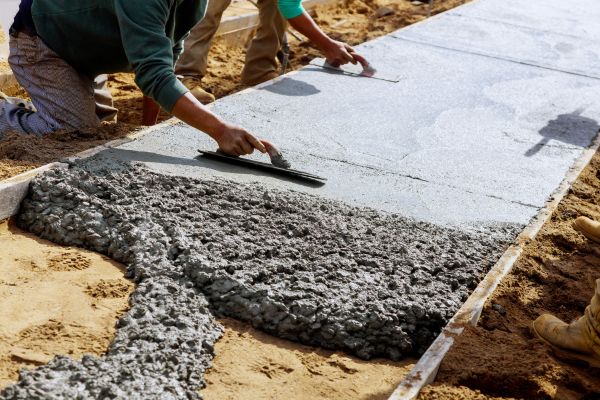
Foundation construction establishes the structural backbone that supports the entire building system. Expert excavation and professional concrete pouring create stable bases capable of withstanding environmental stresses and structural loads. Structural framing defines the building’s architectural form while establishing essential load-bearing capacity according to engineering specifications.
These fundamental elements demand precise execution, as any deficiencies at this stage can compromise long-term structural performance. Rigorous quality control during foundation and framing work prevents future structural concerns while ensuring compliance with building codes. Superior concrete work, including basement construction and specialized finishes like stamped, colored, exposed aggregate, and decorative overlays, provides both durability and aesthetic appeal. View our completed concrete projects to see examples of quality foundation work.
Installing Essential Building Systems
System integration incorporates critical plumbing, electrical, HVAC, and exterior drainage solutions into the structural framework. These installations require expert coordination among specialized contractors to ensure seamless functionality. Strategic system placement optimizes operational efficiency while satisfying code requirements and facilitating future maintenance access.
Comprehensive testing protocols verify that all utilities operate correctly before construction advances. Energy-efficient system designs reduce long-term operational expenses significantly while supporting sustainability objectives. Modern installations increasingly incorporate smart technology for enhanced building management and operational control. Effective exterior drainage systems protect properties by managing water flow and preventing structural damage from moisture infiltration.
Developing Interior and Exterior Spaces
Interior construction transforms structural frameworks into functional commercial environments. This phase encompasses installing partition walls, ceiling systems, and flooring materials that define usable spaces. Exterior development includes hardscape installations such as Omni-Stone paving systems for walkways and driveways, retaining walls that enhance functionality and visual appeal, and professional landscaping services.
Custom design elements create distinctive spaces tailored to specific operational requirements while reflecting brand identity. Landscape enhancements, including waterfalls, ponds, and exterior lighting, transform ordinary properties into exceptional environments that impress clients and visitors. Quality craftsmanship during this stage directly influences user satisfaction and operational efficiency.
Implementing Quality Control Measures
Quality assurance protocols ensure that construction consistently meets established specifications and performance standards. Regular monitoring throughout all phases identifies potential concerns before they escalate into significant problems. Comprehensive documentation provides accountability while tracking progress against established milestones and quality benchmarks. Standards from organizations like ASTM International guide material testing and quality verification procedures.
Systematic quality control reduces the likelihood of costly corrections after project completion, protecting stakeholder investments. These measures maintain consistency throughout all construction phases while upholding the professional reputation of all project participants. Professional cleaning and sealing services maintain the beauty and longevity of outdoor surfaces, protecting concrete work, paving systems, and other installations from premature wear.
Conducting Regular Safety Inspections
Multi-stage inspections verify ongoing compliance with safety regulations and construction standards. Construction managers perform routine evaluations to maintain quality consistency, while official building inspectors provide formal verification of code compliance. OSHA’s concrete and masonry guidelines establish worker safety requirements that protect both construction teams and future occupants. These systematic assessments identify necessary corrections before projects advance to subsequent phases.
Thorough inspection processes prevent future liability concerns while ensuring occupant safety. Documentation generated during inspections becomes part of the permanent building record, providing valuable reference material for future maintenance and modification projects.
Completing Final Details
Finishing work addresses the remaining elements that perfect the completed structure. This phase includes final painting, professional landscaping installations, exterior lighting systems, and fixture installations that complete the project vision. Detailed punch lists ensure comprehensive task completion before final handover to property owners.
Meticulous attention to finishing details enhances overall aesthetic appeal while demonstrating professional commitment to excellence. These final elements complete the transformation from active construction site to fully functional commercial property ready for occupancy and operation.
Achieving Project Completion
Project completion represents the successful realization of the commercial construction vision through collaborative effort and expert execution. Final walkthroughs with stakeholders verify that all contractual requirements have been satisfied. Comprehensive documentation transfers to building owners along with warranties, maintenance guidelines, and operational information.
This milestone celebrates the collective achievements of all project participants while marking the transition from construction to occupancy. Proper closeout procedures ensure smooth handover and establish foundations for ongoing client relationships and potential future collaborations.
Critical Success Factors in Commercial Construction
Essential elements driving project success include:
- Comprehensive project management coordinating all phases, trades, and stakeholders through systematic oversight
- Transparent communication channels connecting contractors, designers, and property owners throughout the project lifecycle
- Unwavering adherence to safety protocols protecting workers, visitors, and the public while maintaining regulatory compliance
- Diligent monitoring of budget parameters and timeline milestones to ensure projects remain on schedule and within financial constraints
- Proactive problem-solving approaches that address challenges promptly before they impact project progression
- Premium materials and skilled craftsmanship ensure durable construction that stands the test of time, from concrete foundations and driveways to decorative paving systems, custom pool installations, and comprehensive landscape enhancements
Strategic collaboration among all parties generates synergy that propels projects toward successful completion. Professional construction services, including specialized concrete work, retaining walls, paving systems, pool installations, landscaping, drainage solutions, water features, and exterior lighting, transform commercial properties into functional, attractive, and valuable assets.
Understanding each construction phase empowers stakeholders to navigate the building process confidently and make informed decisions. Expert project management ensures efficiency while maintaining uncompromising quality standards throughout commercial construction development.
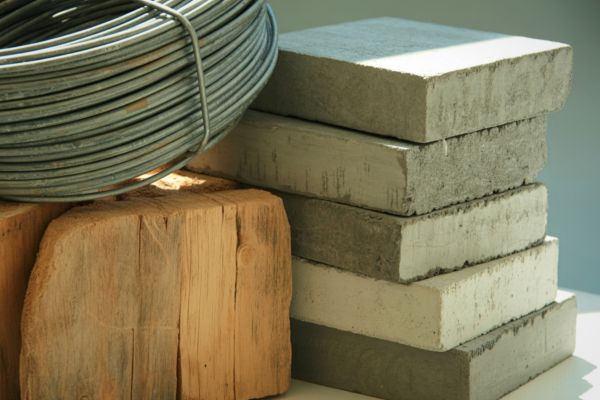
Key Elements That Affect Commercial Construction Expenses
Multiple elements play a crucial role in determining commercial construction costs. Understanding these factors helps you plan and budget more effectively for your building project, whether it involves concrete work, exterior enhancements, or comprehensive site development.
Building Scale and Design Complexity
Larger projects typically require more resources and investment. Complex designs demand additional materials, skilled workers, and detailed project oversight. Intricate architectural features, such as custom pool installations, decorative concrete finishes like stamped or exposed aggregate patterns, and integrated paving systems, often increase both time and financial requirements. Planning for these elements early helps avoid unexpected budget increases and ensures proper allocation of resources for specialized work.
Regional Market Variations
Commercial construction expenses differ significantly across various regions and markets. Labor wages, material costs for concrete and paving materials, and regulatory standards vary by area. Local supply chain access for specialty items like Omni-Stone paving systems and quality concrete finishing materials also impacts overall project expenses. For projects in Pennsylvania, working with a concrete contractor in Mars, PA, or nearby areas ensures familiarity with regional requirements and established supplier relationships.
Architectural Requirements
Custom design features require specialized expertise and unique materials. Complex architectural elements, including decorative retaining walls, custom pool designs, or integrated landscaping features with waterfalls and ponds, often need highly skilled craftspeople and advanced construction techniques. Distinctive design choices, such as colored or swirl-finished concrete surfaces, can substantially impact your total investment. Simple designs generally offer more cost-effective solutions than elaborate specifications, though quality craftsmanship remains essential regardless of complexity.
Ground and Site Characteristics
The physical condition of your building site affects foundation needs and concrete work requirements. Soil composition, drainage patterns, and terrain features influence preparation costs for projects ranging from parking areas to building foundations. Sites requiring exterior drainage systems, extensive excavation for pool installations, or robust retaining wall construction will demand higher initial investments. Professional site assessments help identify potential challenges, including water management needs and soil stability, before construction begins.
Building Materials and Construction Methods
Material prices for concrete, paving stones, and finishing products fluctuate based on market conditions and availability. Modern construction technologies and application methods can improve efficiency but may require higher upfront costs. Specialty materials for projects like decorative concrete overlays, premium paving systems, or waterproofing solutions often carry premium pricing. Strategic material selection balances quality, performance, and budget considerations effectively while ensuring long-term durability of surfaces and structures. The EPA’s sustainable construction materials guide offers insights on environmentally responsible material choices.
Legal and Code Compliance
Meeting building codes and regulations adds necessary expenses to commercial construction projects. Zoning laws, ADA compliance requirements for walkways and accessible surfaces, and permit requirements vary across jurisdictions and project types. Compliance modifications for drainage systems, structural concrete work, and site lighting installations can increase both timeline and budget requirements. Working with experienced professionals ensures all regulatory standards, from concrete mixture specifications to electrical code compliance for exterior lighting, are met properly. Organizations like the Pennsylvania Constructors Association provide regional guidance on compliance requirements.
Project Duration and Scheduling
Rushed timelines often lead to premium labor costs and overtime expenses for specialized trades like concrete finishing and landscaping installation. Extended projects may accumulate additional carrying costs and site management fees. Weather delays affecting concrete curing, outdoor construction work, and supply chain interruptions for materials can impact planned schedules. Realistic timeline planning that accounts for proper curing times for concrete work, seasonal considerations for landscaping, and installation sequences helps minimize unexpected cost overruns and scheduling conflicts.
Professional Team Selection
Choosing qualified contractors with expertise in concrete construction, paving installation, drainage solutions, and integrated site development impacts overall project quality. Experienced professionals specializing in techniques like stamped concrete, retaining wall construction, and custom pool installations may charge higher rates but deliver superior results with proven durability. Proper vetting of construction teams helps ensure efficient project execution across multiple disciplines. The right team reduces risks of costly mistakes, ensures proper sealing and protection of surfaces, and eliminates expensive rework. Contact experienced professionals to discuss your project requirements.
Market and Economic Forces
Inflation rates directly affect material costs for concrete, aggregates, paving materials, and construction supplies. High demand for commercial construction services and specialized trades can drive up prices significantly. Economic downturns may offer cost advantages but present other challenges in scheduling and material availability. Monitoring market trends helps optimize timing for your building project and procurement of essential materials.
Oversight and Coordination
Effective project management streamlines operations and controls expenses efficiently across all phases of commercial construction. Strong coordination between concrete crews, paving specialists, landscaping teams, and drainage system installers prevents costly delays and miscommunication. Poor management leads to waste, rework of finished surfaces, and extended timelines that impact curing schedules and project sequencing. Investing in skilled project oversight, particularly for complex projects involving multiple services like concrete work, pool installation, landscaping features, and lighting systems, typically saves money in the long run and ensures quality outcomes.
Conclusion
Commercial construction represents a complex yet rewarding investment that transforms visions into functional business spaces. Success depends on understanding the multifaceted process, from initial planning and permit acquisition to quality concrete work, drainage solutions, and professional landscaping. Each phase requires expertise, coordination, and attention to detail to deliver durable, code-compliant structures. By partnering with experienced professionals who specialize in foundation work, paving systems, exterior lighting, and site management, property owners ensure their projects meet operational needs while enhancing long-term value. Whether developing retail centers, office complexes, or hospitality facilities, comprehensive planning and quality craftsmanship create commercial properties that support business objectives, attract customers, and stand the test of time.
FAQs
What is the difference between commercial and residential construction?
Commercial construction focuses on business and community infrastructure like retail centers, offices, warehouses, and multi-family housing, requiring expertise in large-scale project management, complex building codes, and specialized systems. Residential construction typically involves single-family homes with simpler regulatory requirements and smaller-scale operations.
How long does a typical commercial construction project take?
Project duration varies significantly based on building size, design complexity, and site conditions. Small retail spaces may complete in 3-6 months, while large office complexes or hospitality facilities can take 12-24 months or longer. Factors like permit approvals, weather conditions, and material availability also impact timelines.
What are the most critical factors affecting commercial construction costs?
Major cost factors include building scale and design complexity, regional market variations, site characteristics requiring drainage or excavation work, material choices, regulatory compliance requirements, project timeline, and the quality of your professional team. Comprehensive planning helps control expenses effectively.
Why is concrete work so important in commercial construction?
Quality concrete work provides the foundation for durable commercial properties, including structural foundations, parking areas, sidewalks, and driveways that withstand heavy traffic. Proper concrete installation with appropriate finishing techniques ensures longevity, safety, and professional appearance while supporting substantial commercial loads.
What maintenance services protect commercial construction investments?
Regular maintenance including professional cleaning and sealing of concrete and paving surfaces protects against weather damage, traffic wear, staining, and premature deterioration. Additional services like drainage system inspection, landscape upkeep, and lighting maintenance extend the lifespan of your commercial property while preserving its professional appearance and value.
Leave Your Comment