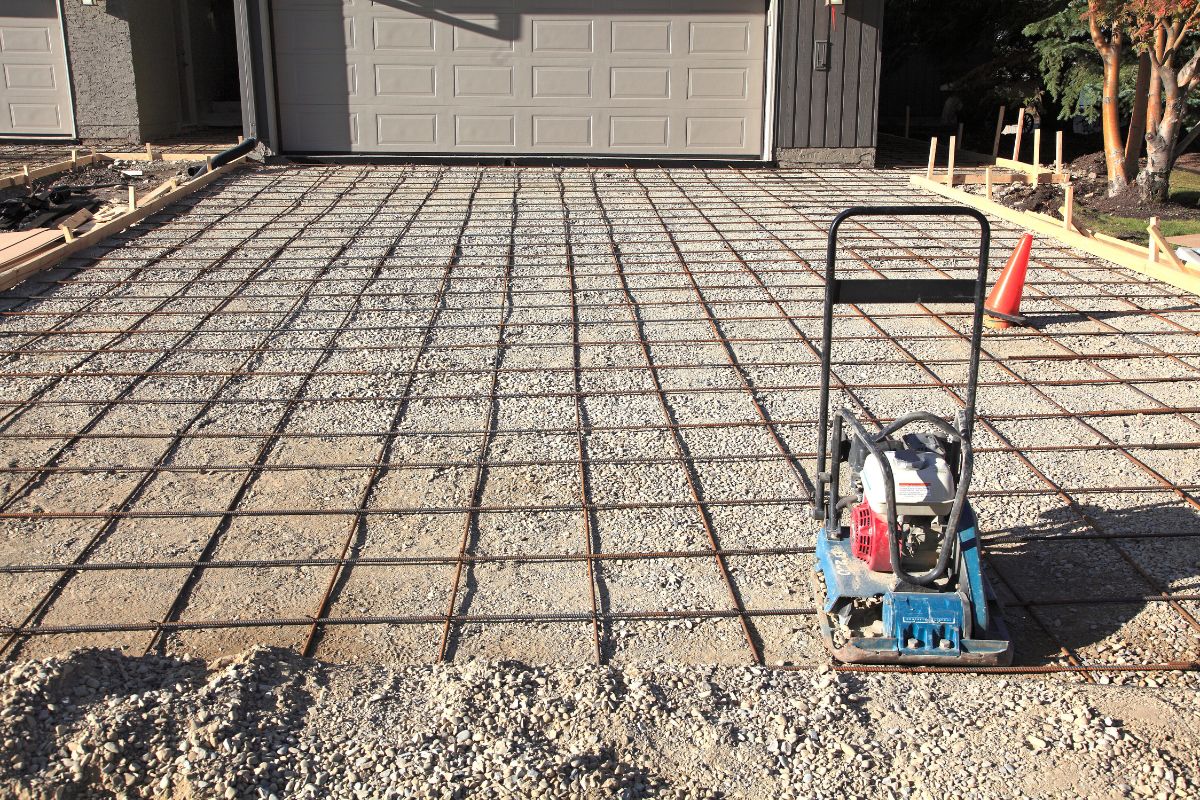
Residential construction is the process of building or renovating places where people live, including single-family homes, apartments, condominiums, and townhouses. Working with experienced concrete construction professionals ensures your project follows industry best practices from start to finish. It involves multiple stages from initial site preparation and foundation work to framing, exterior enclosure, interior finishing, and final landscaping.
Key aspects of residential construction include:
- Project types: Single-family homes, multi-family dwellings, custom builds, and prefabricated structures
- Common materials: Wood, brick, and concrete for foundations, driveways, and structural support
- Timeline: Generally faster than commercial construction due to a smaller scale
- Customization: Homeowners can personalize floor plans, finishes, materials, and architectural details
The typical residential construction process follows these phases:
- Planning and obtaining permits
- Site preparation and foundation installation
- Structural framing
- Exterior enclosure (windows, doors, roofing)
- Interior finishing (flooring, painting, trim)
- Functional elements (drainage, paving, utilities)
- Final touches (landscaping, inspections, walkthrough)
Successful residential construction requires proper budgeting, quality material selection, compliance with zoning regulations and building codes, licensed professionals, and attention to safety standards throughout the entire process.
Understanding Residential Construction
Building a home requires creativity, technical skills, and expert craftsmanship. The process turns architectural plans into spaces where families build lasting memories. Multiple stages and detailed planning ensure successful project completion. Each phase demands attention to detail and proper execution.
Home building means constructing or updating places where people live. Projects include single houses, apartment buildings, and everything in between. The work spans from initial site prep to final finishing touches. Concrete foundations and landscaping elements create the structural base and outdoor appeal.
Every project differs in scale and complexity based on client needs. Some focus on simple renovations while others develop entire neighborhoods. The goal stays the same: creating safe, comfortable spaces for living. Quality residential construction balances functionality with aesthetic appeal.
Types of Home Building Projects
Home building comes in various forms to match different needs and budgets. No single method suits every situation or homeowner. Each project type brings distinct benefits and unique considerations. Understanding your options helps you make better choices.
- Single Family Homes – Independent structures designed for one household. These properties feature private yards and no shared walls. Designs vary from simple to elaborate based on preferences and budgets. Concrete foundations provide stability while professional landscaping enhances curb appeal. Each home represents the owner’s personal vision.
- Multi-Family Dwellings – Buildings that accommodate multiple households in one structure. This includes apartments, condominiums, and townhouses. These work well in areas where space is limited. Shared concrete driveways and landscaped common areas benefit all residents. They attract people who value community living.
- Custom Build Projects – Homes designed specifically for individual buyers. Owners control every aspect from layouts to material selection. Complete personalization makes each space truly unique. Custom concrete work and tailored landscaping reflect personal style. Buyers achieve homes that match their exact vision.
- Prefabricated Structures – Houses built in controlled indoor facilities. Completed units ship to their permanent locations. This approach often lowers costs and reduces construction time. Factory settings allow better quality control than traditional methods. Site preparation includes concrete foundations and basic landscaping.
Understanding the Key Differences in Residential Construction
Home building projects differ greatly from larger commercial developments. Understanding these differences helps you make better choices for your property.
Materials Used in Home Building
Wood and brick form the foundation of most home building projects. Modern builders now add concrete to improve strength and durability. Concrete services provide excellent support for driveways, foundations, and patios. These materials handle typical household needs effectively.
Larger buildings need stronger structural components for support. Steel frames paired with reinforced concrete create robust foundations according to ASTM standards. These heavy-duty materials support more weight and multiple floors. The enhanced strength accommodates extensive square footage requirements.
Equipment for Construction Work
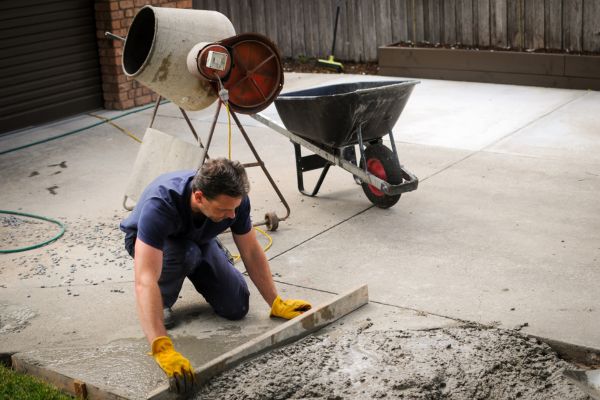
Home projects typically use standard construction equipment and tools. Basic machinery handles most tasks on smaller building sites efficiently. The reduced scale means fewer specialized tools are needed. Standard equipment keeps costs reasonable while maintaining quality work.
Larger projects demand specialized heavy machinery and advanced equipment systems. Large cranes often dominate these construction sites throughout the project. The increased scope requires powerful tools to move massive materials. Equipment choices directly affect project timelines and overall success rates.
Time and Budget Considerations
Home building projects finish faster than larger commercial developments typically. Projects cost less because of smaller square footage requirements overall. Simpler designs reduce material expenses and labor time needed. Standard layouts help builders complete work more efficiently.
Larger developments require substantially bigger financial investments from owners. Extended timelines accommodate complex plans and detailed specifications required. Stricter regulations add both time and expense to projects. The scale and complexity justify increased resource allocation needs.
Customization and Design Choices
Larger buildings prioritize function over personalized aesthetic design choices. Designs accommodate various uses and operational requirements for tenants. Flexibility for future users takes precedence over individual preferences. Standardized layouts maximize usability across different needs and purposes.
Homeowners enjoy extensive customization opportunities in their building projects. Buyers influence floor plans, finishes, and architectural details significantly. Personal preferences shape everything from room layouts to material choices. Decorative concrete finishes can be customized with patterns and textures. Landscaping options add personal touches to outdoor living spaces. This flexibility makes each home reflect its owner’s vision. Individual input creates truly unique living spaces for families.
Rules and Safety Standards
All building projects require proper permits and code compliance verification. Home construction follows established safety standards and local regulations carefully, according to the International Code Council. Builders must show competency through appropriate licensing and credentials. Inspections ensure homes meet minimum quality and safety standards.
Larger projects face stricter regulatory oversight and compliance requirements. Higher occupancy levels require enhanced safety protocols and measures, including OSHA concrete safety guidelines. Builders often need specialized certifications for these project types. Additional inspections verify compliance with stricter standards throughout construction. These requirements protect public safety in high-traffic environments effectively. Concrete work must meet specific strength and durability standards. Landscaping installations must follow drainage and grading regulations properly.

Key Elements for Successful Residential Construction
Building a new home demands thoughtful planning and careful preparation. Residential construction involves understanding many factors that determine project success. These essential considerations help ensure your building project runs smoothly from start to finish.
Creating Your Financial Plan
Every building project starts with solid financial planning and budgeting. Your budget influences home size, material selections, and available features. Establish realistic expectations and reserve additional funds for unexpected expenses. Proper financial planning prevents costly delays and guarantees project completion. Working with financial advisors can help you make informed decisions. A well-structured budget keeps your residential construction project on track.
Understanding Material Selection
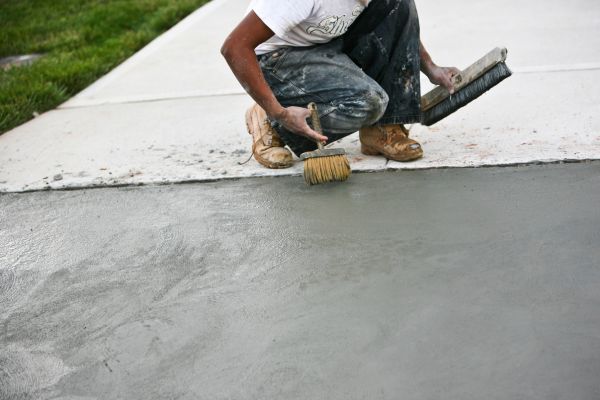
Chosen materials directly influence home durability, efficiency, and long-term value. Balance upfront costs against future performance and maintenance requirements. Quality materials may increase initial spending but provide better returns over time, according to the National Ready Mixed Concrete Association. Consider how each selection affects energy consumption and interior comfort. Concrete work offers exceptional durability for various outdoor and structural applications. Stamped, swirl, broom, smooth, and colored finishes provide aesthetic versatility. Exposed aggregate and overlay options deliver both function and visual appeal.
Developing Your Design
Strong planning establishes the foundation for successful residential construction outcomes. Thoughtful design addresses practical needs while achieving aesthetic goals. This phase ensures your project meets building codes and regulatory requirements. Proper planning prevents expensive changes during later building stages. Clear design documentation helps contractors execute your vision accurately. Investing time in design development saves money during actual construction.
Following Zoning Requirements
Local regulations specify permissible building types and construction specifications. Review zoning requirements before finalizing any residential construction plans. Understanding restrictions early prevents costly redesigns and project setbacks. Compliance ensures your building project advances without legal complications according to federal housing regulations. Research neighborhood guidelines that may affect your design choices. Proper zoning knowledge protects your investment from future issues.
Securing Necessary Permits
Most building projects require multiple approvals before work can begin. Identify required permits and submit applications well ahead of schedule. Early permit acquisition prevents construction delays and potential legal problems. Maintain organized documentation throughout the entire building process. Understanding permit timelines helps you plan construction phases effectively. Professional contractors often handle permit applications on your behalf.
Choosing Professional Teams
The right professionals make residential construction proceed smoothly and efficiently. Seek licensed concrete contractors with proven experience and strong client references. Clear communication among all parties prevents misunderstandings and costly mistakes. Verify credentials and insurance coverage before signing any construction contracts. Experienced contractors bring valuable knowledge to your building project. Quality professionals deliver superior workmanship that stands the test of time.
Incorporating Sustainable Features
Modern residential construction increasingly embraces eco-friendly features and building practices. Energy-efficient systems reduce utility costs while benefiting the environment, according to EPA sustainable construction guidelines. Consider improved insulation, water-saving fixtures, and sustainable building materials. Green building choices enhance property value and appeal to buyers. Sustainable practices demonstrate environmental responsibility and forward thinking. Eco-friendly features often qualify for tax incentives and rebates.
Understanding the Building Process: A Complete Guide
Constructing a home involves multiple stages that transform concepts into reality. This guide explains each residential construction phase clearly and thoroughly. Understanding these steps helps property owners and investors prepare effectively. Proper knowledge prevents surprises and ensures smoother project execution.
Planning and Initial Setup
Every successful build begins with comprehensive planning and detailed documentation. Working with design professionals helps translate your ideas into workable blueprints. Setting realistic budgets prevents financial surprises during the construction phase. Land surveys establish property boundaries and identify potential challenges early. Obtaining required permits ensures your residential construction complies with regulations. Getting multiple contractor estimates helps you compare costs accurately. Insurance coverage protects your investment throughout the entire building timeline. Signing detailed contracts establishes clear expectations for all involved parties. Securing financing should happen before any groundbreaking occurs. These preparatory tasks create solid foundations for successful project completion.
Site Preparation and Foundation Work
Physical building begins with properly preparing the construction site. Clearing vegetation and debris creates clean workspaces for construction crews. Grading ensures proper drainage and establishes level building surfaces. Excavation removes soil to accommodate foundation structures and underground utilities. Installing basic plumbing lines happens before pouring concrete foundations. Professional foundation installation provides essential structural support for entire homes. Properly installed foundations prevent settling and structural problems later. Quality foundation work proves essential for long-term stability. Retaining walls may enhance functionality and prevent soil erosion. Well-constructed foundations support all subsequent building phases effectively.
Building Structural Framework
The building skeleton takes shape during the framing phase. Workers construct walls using quality lumber or engineered building materials. Roof structures get installed to create overhead protection. This stage transforms foundations into recognizable house shapes. Framing establishes room layouts and overall architectural design following standards from the American Concrete Institute. Proper framing ensures structural integrity for many decades. Quality framework supports all finishing materials and interior elements. Skilled framers create level, square structures that meet code requirements.
Completing Exterior Enclosure
Securing structures against weather becomes the next critical priority. Installing windows and exterior doors allows buildings to be secured. Adding protective cladding shields structures against environmental elements. Roofing materials prevent water infiltration and protect interior spaces. Rough electrical and plumbing systems get installed within wall cavities. Insulation fills spaces to improve energy efficiency and comfort. This phase creates weather-tight envelopes for interior residential construction work. Exterior finishes contribute to curb appeal and property value. Quality enclosure work protects homes from moisture and temperature extremes.
Finishing Interior Spaces
Detail work brings homes to life during this residential construction stage. Installing trim work, baseboards, and molding adds architectural character. Flooring materials like tile or polished surfaces are installed throughout. Painting walls transforms spaces with color and personal style. Specialized concrete finishes can create unique interior floor surfaces. Smooth and colored concrete options offer durable interior flooring solutions. These elements combine to create comfortable, livable residential spaces. Quality finishing work reflects craftsmanship and attention to detail.
Adding Functional Elements
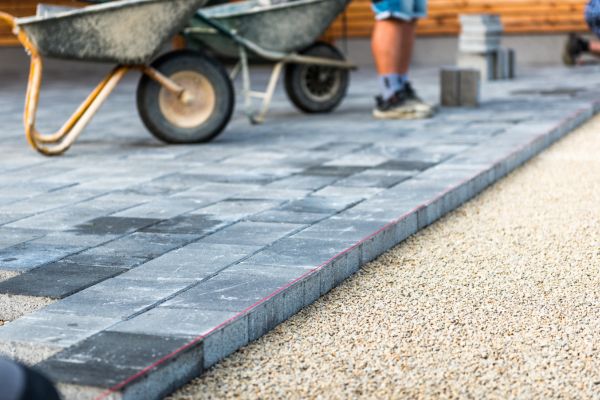
Installing functional features makes houses fully operational and comfortable. Exterior drainage systems protect properties from water damage effectively. Proper drainage prevents foundation problems and landscape erosion. Omni stone paving systems create durable surfaces for driveways and walkways. Quality paving enhances accessibility and property aesthetics significantly. Pool installations transform outdoor spaces into recreational retreats. Custom water features add tranquility to outdoor environments beautifully. Outdoor fire pits and grills create gathering spaces for entertainment. Professional cleaning and sealing services protect surfaces from wear. These additions enhance both function and beauty in residential construction.
Completing Final Touches
The last phase focuses on perfecting every construction detail. Landscaping enhances curb appeal and creates inviting outdoor spaces. Installing waterfalls and ponds adds natural beauty to properties. Exterior lighting systems illuminate pathways and architectural features safely per EPA construction sector guidelines. Thorough cleaning removes all construction debris and dust completely. Final walkthroughs identify any issues requiring immediate correction. Addressing defects ensures everything meets established quality standards. Building inspectors verify code compliance before granting occupancy approval. All documentation gets finalized and filed with the appropriate authorities. Property owners receive keys marking official residential construction completion. The finished property becomes ready for immediate occupancy and enjoyment.
Whether you’re building in Wexford, Bradford Woods, Seven Fields, or surrounding areas, partnering with experienced professionals supported by organizations like the Pennsylvania Concrete Association ensures quality results. Contact us to discuss your residential construction project today.
Conclusion
Residential construction transforms architectural visions into functional living spaces through careful planning and skilled execution. Success depends on understanding each phase, from initial site preparation and foundation work to final landscaping touches. Quality material selection, compliance with building codes, and hiring licensed professionals ensure durable, safe homes that stand the test of time. Whether building a custom single-family home or a multi-family dwelling, proper budgeting and realistic timelines prevent costly delays. Modern construction increasingly embraces sustainable features that reduce utility costs and environmental impact. By following established processes and maintaining attention to detail throughout each stage, homeowners create personalized spaces where families build lasting memories while protecting their investment for years to come.
FAQs
How long does residential construction typically take?
Timelines vary by project scope, but single-family homes generally take 6-12 months from groundbreaking to completion. Custom builds may require additional time for design and permitting, while prefabricated structures can be completed faster. Weather conditions, material availability, and complexity significantly impact construction schedules.
What permits are required for residential construction?
Most projects require building permits, electrical permits, plumbing permits, and mechanical permits. Zoning approval ensures compliance with local regulations. Specific requirements vary by location and project type, so consult your local building department early in the planning process to avoid delays.
How much does it cost to build a new home?
Costs vary widely based on location, size, materials, and customization level. Factors include land acquisition, permits, labor, materials, and finishing details. Custom homes typically cost more than standard builds. Always budget 10-20% extra for unexpected expenses and changes during construction.
What’s the difference between custom and prefabricated homes?
Custom homes are designed specifically for individual buyers with complete control over layouts, materials, and features. Prefabricated homes are built in factories with standardized designs, offering faster construction times and lower costs. Custom builds provide unlimited personalization, while prefab structures prioritize efficiency and affordability.
Why is concrete important in residential construction?
Concrete provides essential structural support for foundations, preventing settling and structural problems. It’s also used for driveways, patios, and walkways, offering durability and versatility. Various finishes like stamped, colored, or exposed aggregate add aesthetic appeal while maintaining functionality and long-term performance.
Leave Your Comment