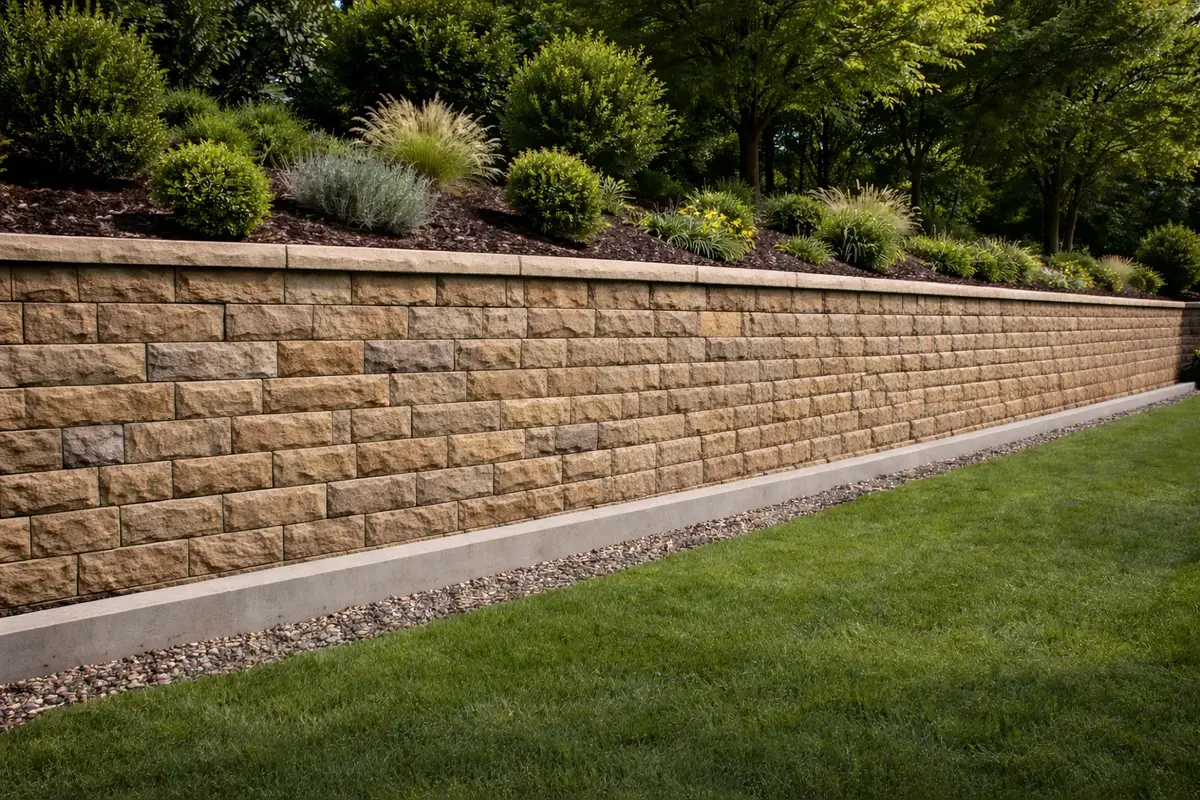
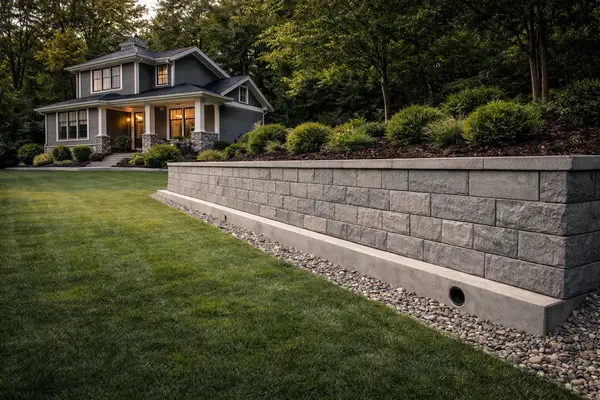
Whether you need a concrete footing for a retaining wall depends on a few key factors. These include wall height, soil type, drainage conditions, and local building codes. Walls under two feet may only need a compacted gravel base. However, walls three to four feet or taller almost always require a concrete footing. A proper footing spreads the wall’s weight and prevents shifting or collapse. Without the right foundation, even a well-built wall can fail over time. This guide breaks down each factor so you can decide what your project needs. It also covers alternatives like gravel bases and geo-grid reinforcement.
Why a Solid Foundation Matters
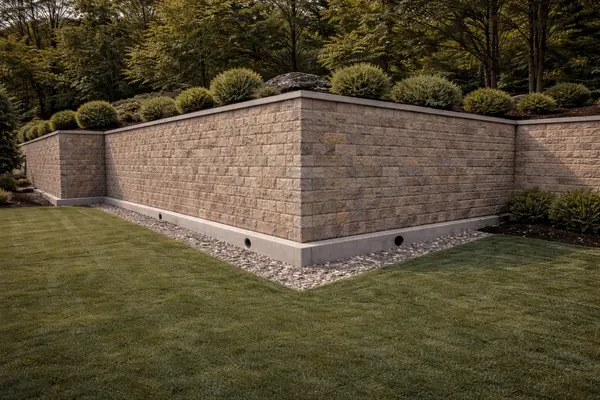
A retaining wall must handle heavy pressure from the soil behind it. Water buildup and changes in elevation add even more force. A footing acts as the base of the wall structure. It spreads the weight across a wider surface area. This keeps the wall from shifting, sinking, or falling over. Proper weight distribution is key to long-term wall performance. Most retaining walls need a strong concrete footing to stay stable. Taller walls especially depend on a reliable base for structural support. Without one, the risk of failure goes up over time. A weak or damaged foundation can lead to a full collapse. That kind of failure often results in costly repairs. It can also cause serious damage to your property and surroundings.
Key Factors That Decide If You Need a Footing
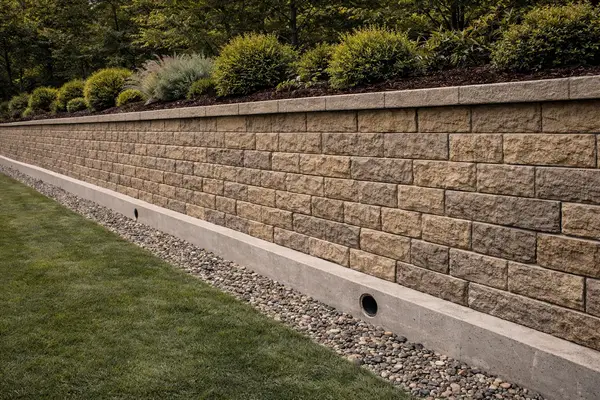
Several important factors help determine if your retaining wall needs a concrete footing. Each one plays a role in the safety of the structure.
How Tall Is the Wall?
Wall height is the most important factor to consider. A small decorative garden wall under two feet may not need a deep footing. However, walls that reach three to four feet or more hold back significant weight. These taller structures require an engineered foundation to remain standing. The greater the height, the more support the base must provide. If your wall is tall, a concrete footing is most likely necessary.
What Type of Soil Do You Have?
The ground beneath your wall matters more than many people realize. Loose clay or sandy soil tends to shift and settle over time. In these conditions, a concrete footing creates a stable base. On the other hand, dense soil or solid bedrock offers natural support. Smaller walls on firm ground may not need a poured foundation. Always assess the soil before choosing your wall design.
How Will Water and Drainage Affect the Wall?
Water is one of the biggest threats to any retaining wall. Poor drainage causes hydrostatic pressure to build behind the structure. That pressure pushes against the wall and weakens it over time. Areas with heavy rainfall or high water tables face greater risk. A deeper foundation, often made of concrete, helps resist that force. Knowing the right footing depth is essential for managing water problems. Proper drainage planning should be part of every retaining wall project.
What Do Local Building Codes Require?
Always check your local building codes before starting construction. Most cities have specific rules that apply to retaining wall projects. Walls over three to four feet often require engineered plans and footings. Failing to meet these standards can result in fines or penalties. In some cases, you may need to tear down and rebuild the wall. Following local regulations protects both your investment and your property.
Other Options Besides Concrete Footings
Concrete footings are a common choice for larger retaining wall projects. However, smaller walls can use different base materials that work well. These alternatives often blend naturally into the surrounding landscape. Choosing the right option depends on your wall size and site conditions.
Can You Use a Compacted Gravel Base Instead?
For shorter walls, a compacted gravel base is often enough. The process starts by digging a trench to the correct depth. Then, a few inches of crushed stone are spread across the bottom. The stone is compacted down until it forms a firm and level surface. This type of base also promotes good drainage behind the wall. Better drainage means less pressure building up against the structure. A gravel base is a cost-effective solution for many smaller wall projects.
What Is Geo-Grid Reinforcement?
Geo-grid is a synthetic mesh material used to strengthen the soil behind a wall. It is placed in layers between rows of wall blocks. The grid also extends back into the earth for added stability. It is usually installed over a gravel base for the best results. In some cases, geo-grid can replace a full concrete footing. This makes it a flexible option for select retaining wall projects. When building a footing, proper ground preparation with gravel and reinforcement is the first step. This foundation work helps the wall perform well for years to come.
Conclusion
A retaining wall is only as strong as the foundation beneath it. The right footing keeps your wall standing for decades, not just a few years. Wall height, soil conditions, drainage, and local codes all shape the foundation you need. Shorter decorative walls may do well with a compacted gravel base. Taller walls holding back heavy soil almost always require a concrete footing. Skipping this step puts your wall and your property at risk. Geo-grid reinforcement is another option worth exploring for certain projects. No matter the size of your wall, proper planning makes all the difference. Baird Construction has the experience to help you choose the right foundation. Our team evaluates your site and builds walls that are made to last. Contact Baird Construction today to get started on your retaining wall project.
FAQs
How deep should a footing be for a retaining wall?
Footing depth depends on the height of your wall and your soil conditions. A general rule is to dig below the frost line in your area. For most walls, a footing depth of at least 12 inches is recommended. A qualified contractor can assess your site and determine the exact depth needed.
Can I build a retaining wall without a concrete footing?
Yes, but only for shorter walls under two to three feet tall. These smaller walls can often sit on a compacted gravel base instead. The gravel provides drainage and a stable surface for the wall blocks. For anything taller, a concrete footing is strongly recommended for safety.
What happens if a retaining wall does not have a proper footing?
A wall without the right foundation is at high risk of failure. It can shift, lean, or collapse as soil pressure builds over time. Water and poor drainage speed up this process even further. Repairs or full rebuilds after a collapse are far more disruptive than building it right the first time.
Do I need a permit to build a retaining wall?
In most areas, walls over three to four feet tall require a building permit. Some cities also require engineered drawings and inspections during construction. Building without a permit can lead to fines or forced removal of the wall. Always check with your local building department before starting any work.
How long does a well-built retaining wall last?
A properly constructed retaining wall can last 50 years or more. The key factors are a solid foundation, good drainage, and quality materials. Walls built on concrete footings tend to outlast those on gravel alone. Regular inspections and minor maintenance also help extend the life of your wall.
Leave Your Comment