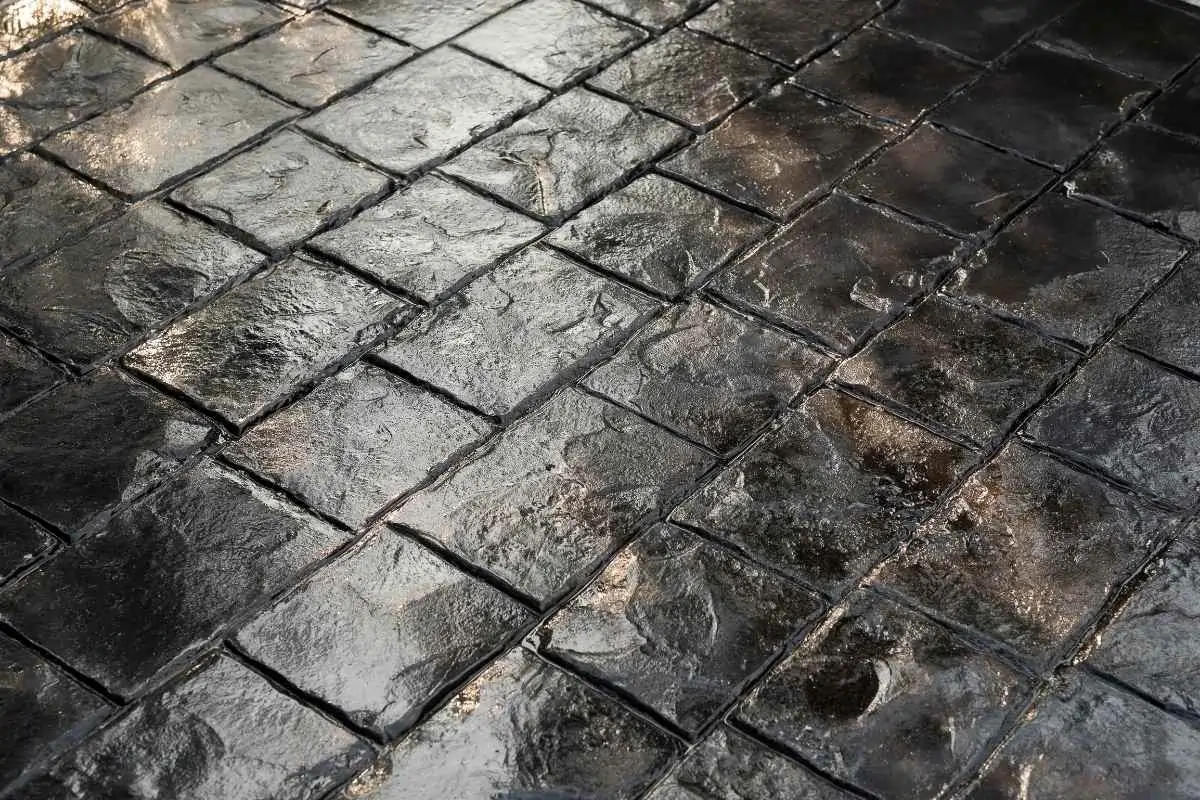
Stamped concrete typically lasts 15 to 20 years with proper maintenance and care. Some installations can exceed 25 to 30 years when professionally installed and sealed regularly. The lifespan depends on three critical factors: installation quality, ongoing maintenance, and local climate conditions. Stamped concrete remains a popular choice for driveways, patios, and walkways in residential properties. It offers the aesthetic appeal of natural stone at a more affordable price point. Property owners choose this material because it combines durability with attractive design options. However, understanding what affects its longevity helps maximize your investment value.
Professional installation creates a stable foundation that prevents premature cracking and settling issues. Regular sealing protects against moisture damage, UV fading, and surface staining over time. Environmental factors like freeze-thaw cycles and heavy traffic also impact overall durability significantly. This guide covers everything you need to know about stamped concrete lifespan expectations. You’ll learn how to protect your investment and extend its usable life. Proper care and maintenance can add years to your concrete surfaces effectively. Quality concrete work delivers lasting performance when installed and maintained correctly.
What Factors Affect How Long Stamped Concrete Lasts?
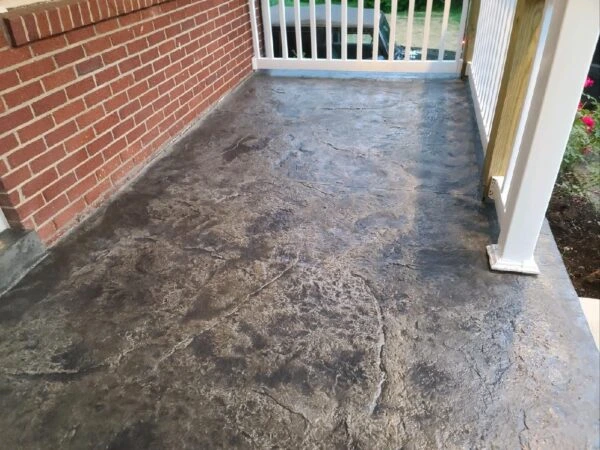
The durability of stamped concrete begins with quality installation practices. A properly prepared foundation is essential for long-term stability. This base layer prevents unwanted shifting and cracking as time passes. Poor compaction or unstable soil can cause uneven settling. This leads to early damage and costly repairs. The concrete mixture quality matters significantly for overall strength. Adding reinforcements like rebar or fiber mesh increases structural integrity. Professional installation ensures all these elements work together properly.
Sealing and routine maintenance are vital for extending stamped concrete lifespan. Quality sealant creates a protective shield over the surface. It blocks moisture penetration and harmful UV ray damage. Without proper sealing, fading and cracking occur much faster. Stains become more difficult to remove over time. Regular cleaning removes dirt and debris that damage surfaces. This simple step preserves both appearance and sealant effectiveness. Consistent care keeps your investment looking new for years.
Environmental factors significantly influence stamped concrete longevity and appearance. Freeze-thaw cycles can damage surfaces in colder regions. Heavy rainfall may cause water infiltration and erosion issues. Extended sun exposure fades colors without adequate protection. Water entering small cracks expands when frozen during winter months. This expansion makes existing cracks grow larger over time. Property owners in harsh climates need extra protective measures. Understanding your local climate helps you protect your concrete better.
Traffic patterns and usage intensity affect stamped concrete durability significantly. Driveways experience more stress from vehicles than pedestrian areas. Heavy weight and repeated use accelerate surface wear. Stamped concrete offers excellent durability for most applications. However, it requires proper care under extreme conditions. Excessive weight or constant pressure can cause damage over time. Understanding usage patterns helps you maintain your concrete properly.
How Many Years Does Stamped Concrete Typically Last?
With proper care and ideal conditions, stamped concrete lasts 15 to 20 years or more. This extended lifespan justifies the investment compared to other paving materials. The durability makes it a cost-effective choice for property owners. Stamped concrete outlasts asphalt, which typically lasts only 10 to 15 years. It matches traditional concrete’s lifespan while offering superior visual appeal. Stone and brick pavers may last longer but cost significantly more upfront. Stamped concrete provides excellent value through its unique aesthetic versatility. It combines beautiful design with functional durability for outdoor spaces. This balance of form and function makes it highly desirable. Property owners appreciate both the appearance and long-term performance it delivers.
Aging stamped concrete shows several common warning signs over time. Surface cracks appear as the material experiences stress and weathering. Color fading occurs when UV protection wears away gradually. Spalling happens when small surface pieces begin flaking off the concrete. These problems typically result from neglected maintenance or substandard installation work. Poor initial preparation accelerates deterioration and reduces overall lifespan. Regular inspections help property owners identify issues before they worsen significantly. Catching a hairline crack early allows for quick sealing action. This prevents water from penetrating deeper into the concrete structure. Early intervention stops minor damage from becoming expensive major repairs. Proactive maintenance extends the life of your stamped concrete investment considerably.
How to Extend Your Stamped Concrete’s Lifespan
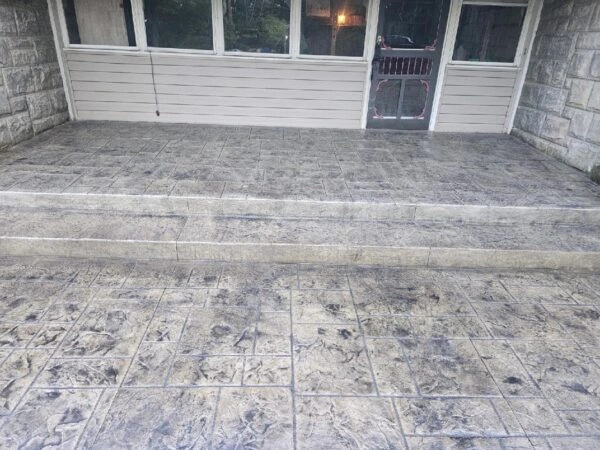
Regular sealing is the most effective way to prolong stamped concrete life. Apply quality sealant every two to three years for best results. This protective layer shields against moisture, UV rays, and stubborn stains. Sealants enhance concrete durability while maintaining a vibrant color appearance over time. The surface must be completely clean and dry before application begins. Mild weather conditions work best for applying sealant evenly and effectively. Property owners should prioritize this simple yet critical maintenance step regularly.
Consistent cleaning is another vital step for maintaining stamped concrete surfaces. Remove dirt, leaves, and debris regularly to prevent scratches and discoloration. A simple mixture of water and mild detergent works for routine cleaning. Stubborn stains may require gentle scrubbing with a soft-bristle brush. Pressure washers clean large areas efficiently but require careful use always. Excessive pressure can damage the surface or strip away protective sealant. Regular cleaning preserves both appearance and structural integrity of your concrete.
Addressing cracks and damage quickly preserves the structural integrity of stamped concrete. Small cracks expand over time if ignored and left untreated properly. Use concrete crack filler or patching compound immediately when cracks appear. Significant damage requires professional assessment and repair for optimal results. Timely intervention saves money by avoiding expensive replacement costs later on.
Weather protection is crucial for concrete in areas with extreme conditions. Freeze-thaw cycles pose significant challenges during cold winter months ahead. Use penetrating sealants designed for freeze-thaw resistance to mitigate risks. Avoid traditional rock salt during winter as it erodes concrete surfaces. In warmer climates, UV-resistant sealants prevent fading and maintain an attractive appearance.
Is Stamped Concrete Worth the Investment Cost?
Stamped concrete costs more upfront than plain concrete or asphalt initially. However, its durability and visual appeal make it a smart investment choice. The lifespan ranges from 20 to 30 years with proper care. When calculated annually, the cost per year becomes relatively affordable over time. This makes it competitive with materials that require more frequent replacement. Well-maintained concrete significantly enhances property resale value for homeowners. It adds both practical functionality and attractive visual appeal to outdoor areas. The combination of beauty and performance attracts potential buyers consistently. Property owners who value long-lasting durability appreciate this investment greatly. The initial expense pays off through years of reliable performance. Stamped concrete delivers lasting value that justifies the upfront cost effectively.
Conclusion
Stamped concrete offers exceptional value when properly installed and maintained throughout its lifespan. The combination of aesthetic appeal and functional durability makes it ideal for driveways, patios, and walkways. While the initial investment may seem higher than basic concrete or asphalt, the long-term benefits justify the cost. Property owners who commit to regular sealing and cleaning enjoy decades of beautiful, reliable performance. Understanding how installation quality, maintenance routines, and environmental factors affect longevity helps you protect your investment.
Taking proactive steps today prevents costly repairs and premature replacement in the future. Simple maintenance tasks like applying sealant every few years and regular cleaning make a significant difference. When you notice cracks or damage, address them immediately to avoid bigger problems later. When installed with proper base preparation and reinforcement, stamped concrete can perform reliably for decades. With proper care and attention, your concrete surfaces will continue enhancing your property’s beauty and value for many years ahead.
FAQs
How long does stamped concrete typically last on driveways and patios?
Stamped concrete generally lasts between 15 to 20 years with regular maintenance. Professional installation and consistent sealing can extend the lifespan to 30 years or more.
Does stamped concrete crack easily compared to regular concrete?
Stamped concrete cracks at similar rates as traditional concrete when properly installed. Quality foundation preparation and regular maintenance significantly reduce cracking risks over time.
How often should I seal my stamped concrete surfaces?
You should apply a quality sealant every two to three years for optimal protection. More frequent sealing may be necessary in areas with harsh weather conditions.
Is stamped concrete more expensive than regular concrete or asphalt?
Stamped concrete costs more upfront but offers better long-term value than asphalt. When calculated over its lifespan, the annual cost becomes quite affordable and competitive.
Can damaged or cracked stamped concrete be repaired effectively?
Small cracks can be filled with concrete patching compound for quick repairs. Significant damage requires professional assessment to ensure proper restoration and lasting results.
Leave Your Comment