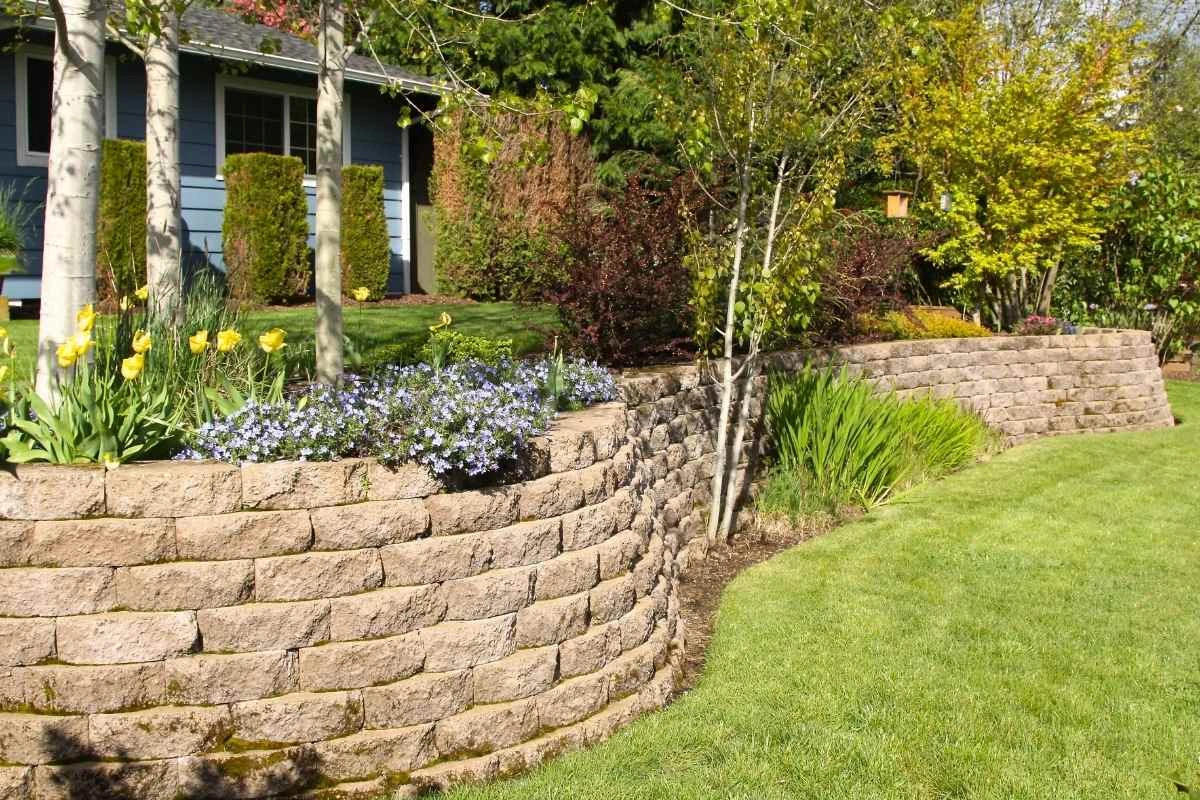
Retaining walls are essential structures that prevent soil erosion and create usable outdoor space on sloped properties. There are four main types: gravity retaining walls, cantilever retaining walls, sheet pile retaining walls, and reinforced soil retaining walls. Each type offers unique advantages depending on your property conditions, budget, and project requirements. Professional concrete contractors can assess your site and recommend the best retaining wall solution for lasting results.
Choosing the right retaining wall depends on factors like soil type, height requirements, available space, and aesthetic preferences. Gravity walls use their weight for stability, cantilever walls distribute loads efficiently, sheet pile walls work in tight spaces, and reinforced soil walls handle challenging terrain. Understanding these options helps property owners make informed decisions for landscaping and erosion control projects.
Key Takeaways
- Gravity walls provide strength through weight and mass
- Cantilever walls offer cost effective solutions for taller heights
- Sheet pile walls work best in limited space conditions
- Reinforced soil walls handle complex terrain effectively
Learning About Retaining Walls
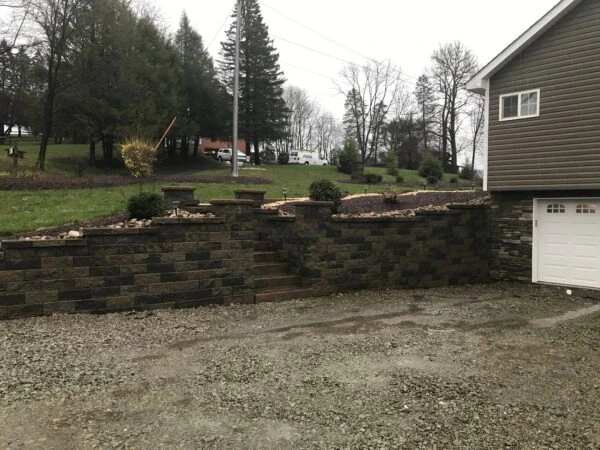
Retaining walls play an essential role in outdoor landscaping projects for your property. These structures securely hold soil and rocks in position to stop erosion problems. They prevent flooding and landslides from damaging your yard and surrounding areas. Retaining walls help create level terraces and increase the amount of usable space outdoors.
You can build these structures using concrete blocks, natural stone, brick, or timber materials. The design you choose depends on your location, project goals, and style preferences. Professional contractors can help you select the best materials for your specific site conditions.
Every retaining wall works on the same core idea of providing support to sloped ground. These installations deliver practical benefits while improving how your property looks from the outside.
A properly built retaining wall can remain strong and functional for many years ahead. Quality construction ensures the structure handles weather conditions and environmental stress without failing. Professional installation helps maximize the lifespan and performance of your retaining wall system.
1. Understanding Gravity Retaining Walls
Gravity retaining walls use their own weight to hold soil securely in place. These structures rely on the natural force of gravity to provide stability and support. Unlike cantilever or anchored wall systems, gravity walls do not need extra reinforcement or support. Contractors typically build these walls using concrete materials or natural stone for maximum strength. The height and width of each wall varies based on your specific project requirements. Professional installation ensures the wall performs correctly for your landscape needs.
One major benefit of gravity retaining walls is their exceptional strength and long-lasting durability. Landscaping projects also commonly use these walls to build raised garden beds on properties. They effectively prevent soil erosion on steep slopes and hillside areas around your home. These versatile structures handle heavy loads and challenging terrain conditions with reliable performance.
If you need a strong and dependable solution for holding back soil, consider this option. A gravity retaining wall could be the ideal choice for your upcoming construction project. Contact experienced contractors to discuss your specific site conditions and design preferences today.
2. What Are Cantilever Retaining Walls
Cantilever retaining walls are a widely used option for holding back soil on properties. These structures work especially well when you need to retain soil over significant heights. Professional contractors design these walls to support substantial vertical loads with reliable performance.
These walls distribute the weight of the soil evenly across the entire structure. This design reduces the risk of wall failure or collapse over time significantly. You can construct cantilever retaining walls using concrete or reinforced masonry materials for durability. They work well in many different settings from home gardens to major highway projects. Experienced contractors can adapt the design to fit your specific site requirements perfectly.
One key advantage of cantilever retaining walls is their cost effectiveness for construction budgets. This makes them a popular selection for many different types of building projects today. However, they only work properly with certain soil types and ground conditions on site. Your contractor will evaluate if this wall type suits your specific property situation best. When designed and built correctly, cantilever retaining walls stabilize soil and stop erosion effectively. These structures provide long-lasting support for your landscape when installed by qualified professionals.
3. Reinforced Soil Retaining Walls Explained
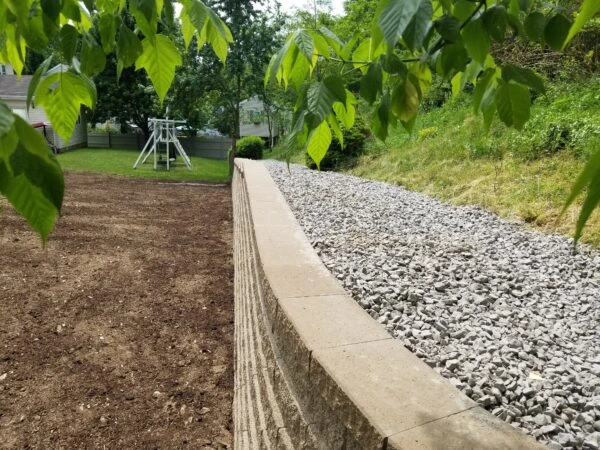
If you need a dependable and affordable way to stop soil erosion, consider this option. Reinforced soil retaining walls effectively retain vertical slopes and provide long term stability for properties. These structures consist of a reinforced soil mass secured by a specialized facing system. The facing can use concrete panels or geotextile sheets depending on your project requirements.
This design provides excellent stability and durability for challenging sites and landscape conditions. Professional contractors can customize the facing system to match your aesthetic preferences and functional needs. The facing system transfers lateral loads from the soil directly to the reinforcement materials below. This creates a stiffened soil block structure that resists external forces pushing against it. The wall can withstand pressure from wind, water flow, and traffic loads without failing. This engineering approach delivers superior performance compared to many traditional wall construction methods. The reinforced design handles dynamic forces and environmental stresses more effectively over time.
Reinforced soil retaining walls offer versatility for many different application scenarios on your property. They work well for road embankments, rail projects, landscaping features, and waterfront stabilization needs. If you face challenging terrain or deal with complex soil conditions, this is ideal. Reinforced soil retaining walls provide an effective alternative to traditional concrete or masonry options. Contact experienced contractors to explore if this solution fits your specific construction project.
4. What Are Sheet Pile Retaining Walls
Sheet pile retaining walls provide strong lateral support to soil and other materials on site. These specialized structures help stabilize ground conditions in challenging construction environments. Professional contractors install these walls where traditional options may not work as effectively.
These walls use interlocking steel sheets that are driven deep into the ground below. The sheets connect together to form a continuous horizontal barrier for soil retention. They work well for holding back soil and stopping erosion in areas with limited space. Common applications include shoreline protection projects, deep excavations, and providing structural support for buildings. Contractors often recommend this wall type for waterfront properties and tight construction sites.
These walls perform especially well in soft or loose soil conditions on your property. They deliver a stable and dependable solution for retaining vertical or sloped earth surfaces. The interlocking design creates a strong barrier that resists lateral pressure from soil effectively. If you are building a new structure or want to improve your property’s stability, this is a smart choice. Sheet pile retaining walls offer an effective and budget friendly solution for many challenging situations. Contact qualified contractors to determine if this wall type suits your specific project needs.
Conclusion
Selecting the right retaining wall type transforms your property while protecting it from erosion damage. Gravity walls offer unmatched strength, cantilever walls provide height versatility, sheet pile walls fit tight spaces, and reinforced soil walls tackle complex terrain. Each option serves specific needs based on your soil conditions, budget, and landscape goals. Working with experienced concrete contractors ensures your retaining wall project meets both functional and aesthetic requirements for your property.
Professional installation makes all the difference in retaining wall performance and longevity over time. Quality construction prevents costly failures and maintains structural integrity through changing weather conditions and environmental pressures. Whether you need a small garden wall or a large-scale erosion control system, choosing the right design and contractor protects your investment. Take time to evaluate your property’s unique needs and consult with qualified professionals to find the best retaining wall solution for lasting results.
FAQs
What is the most affordable type of retaining wall?
Gravity retaining walls typically offer the most cost effective solution for smaller projects. Their simple design requires fewer materials and less complex construction methods than other options.
How long do retaining walls last?
A properly installed retaining wall can last 50 to 100 years with minimal maintenance. Quality materials and professional construction significantly extend the lifespan of your retaining wall system.
Do I need a permit to build a retaining wall?
Most areas require permits for retaining walls over 4 feet tall or near property lines. Check with your local building department before starting any retaining wall construction project.
What causes retaining walls to fail?
Poor drainage and inadequate foundation preparation are the most common causes of wall failure. Improper design and low quality materials can also lead to structural problems over time.
Can I install a retaining wall myself?
Small gravity walls under 3 feet may be suitable for DIY installation with proper planning. Taller or more complex retaining walls require professional expertise to ensure safety and longevity.
Leave Your Comment