
The “1:3 rule” for retaining walls refers to a commonly used setback guideline in modular wall construction. In many systems, the wall steps back approximately one inch for every three inches of vertical rise. This backward lean, known as batter, helps the wall better resist soil pressure and improve overall stability. While setback ratios vary depending on wall height, soil conditions, and manufacturer specifications, proper batter is essential for long-term performance. This concept is commonly applied in concrete block, natural stone, and modular retaining wall systems.
At Baird Concrete Construction, we follow manufacturer-recommended setback guidelines and proven construction principles on every retaining wall project throughout the Pittsburgh area. Our team specializes in Versa-Lok systems, concrete walls, and custom stone installations. Following this proven guideline ensures your retaining walls protect your property for decades. We combine proper setback ratios with quality drainage systems and durable materials. Our experienced contractors understand how wall height, soil conditions, and site features affect construction. Professional installation prevents costly failures and maintains your property’s value over time.
Key Takeaways
- The 1:3 rule means 1 inch backward lean per 3 inches of wall height
- Proper setback prevents wall tilting, shifting, and structural failure
- This rule applies to all retaining wall types and materials
- Professional installation ensures correct ratio throughout construction
- Combines with drainage and material selection for optimal stability
How Does the 1:3 Rule Work for Retaining Walls?
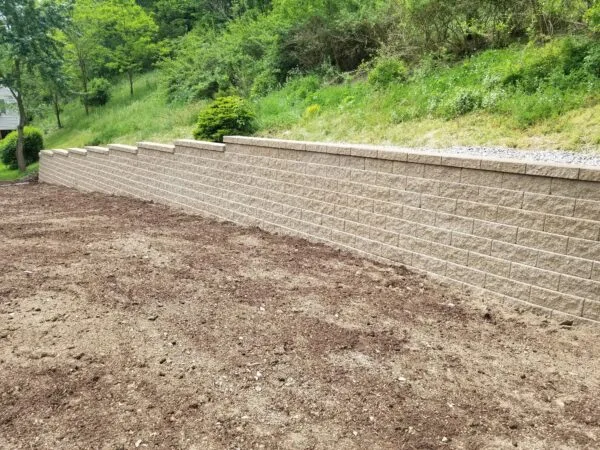
The 1:3 rule provides a guideline for the backward lean of retaining walls. This applies especially to wall blocks and natural stone installations. In many modular systems, the wall is designed to step back slightly with each course. A common example is roughly one inch of setback for every three inches of vertical rise. This backward lean helps counteract lateral soil pressure and improves structural resistance. Exact setback requirements depend on wall design, soil load, and manufacturer guidelines.
Understanding this principle helps create walls that perform reliably for decades. Leaning the wall back toward the hill increases its overall strength significantly. Most modular block systems include a built-in setback for easier construction. Each row of blocks steps back slightly from the previous layer below it. This staggered design adds structural strength to the entire wall system. It helps the structure withstand pressure from both soil and water effectively. Proper setback installation protects against wall failure over time. Quality materials and correct techniques ensure your retaining walls remain stable and functional. Following manufacturer-recommended setback guidelines helps create durable outdoor structures that perform reliably over time.
Important Factors When Using the 1:3 Rule
Applying proper setback guidelines is only one part of building a stable retaining wall. Drainage, wall height, base preparation, and material selection all play critical roles in long-term performance.
Each element works together to create a durable and functional structure. Wall height, drainage systems, and material selection all play critical roles. These components must be carefully balanced for optimal performance and visual appeal. Expert contractors assess your property’s specific needs before starting construction work. This thorough approach ensures retaining walls meet both structural requirements and design goals. Quality construction practices combined with proper planning deliver results that last decades. Your outdoor space benefits from walls built with precision and expertise.
Effective Drainage Systems
Effective drainage prevents water buildup and reduces pressure behind the wall. Most retaining walls use gravel backfill and perforated drainage pipes at the base. These components redirect water efficiently away from the structure. Without proper drainage solutions, even durable materials like concrete blocks can fail. Natural stone walls also risk damage from hydrostatic pressure buildup.
Drainage design must match the wall’s specifications and site conditions perfectly. Quality drainage installation protects your investment for decades to come. Water management systems keep soil dry and reduce lateral pressure significantly. Professional contractors assess your property’s drainage needs before construction begins. This planning step ensures your retaining walls perform optimally in all weather conditions.
Height and Structural Stability
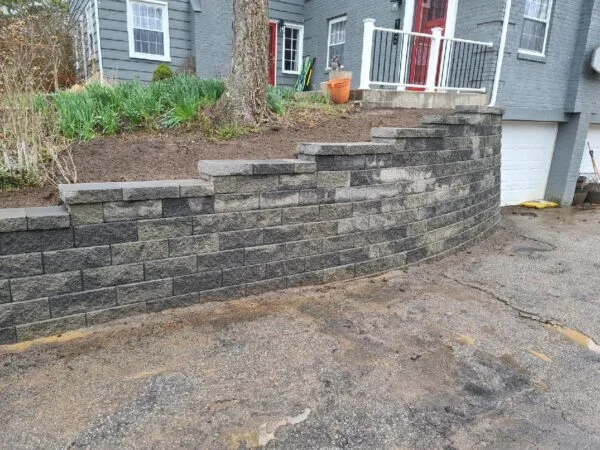
Wall height directly impacts the lateral pressure retaining walls must resist. A common setback guideline in modular systems is approximately one inch of horizontal setback for every three inches of vertical rise. This approach helps the wall distribute soil pressure evenly across its surface. Taller retaining walls, especially those over 3–4 feet, often require engineered design, additional reinforcement such as geogrid, or stamped structural plans depending on local code requirements.
Using split face or smooth wall blocks combines stability with visual appeal. These options complement outdoor spaces like patios and yards beautifully. Professional installation ensures all elements work together for maximum strength. Proper wall design prevents shifting and maintains structural integrity over time. Each component must be carefully selected for your specific project needs.
Choosing the Right Materials
Material selection affects both function and visual style of your project. Concrete wall blocks, tumbled stone, and chiseled stone provide versatile options. These materials create durable and attractive retaining walls for any property. Split face textures offer a rugged aesthetic that many homeowners prefer. Smooth finishes add modern elegance to contemporary outdoor designs.
The right material complements surrounding elements like hardscaping and pavers effectively. This creates a unified yard design balancing beauty and structural strength. Professional material selection ensures long-term performance and visual satisfaction. Quality materials withstand weather conditions and maintain their appearance over time. Expert guidance helps you choose options that fit your budget and design goals.
Typical Errors with the 1:3 Rule and Prevention Methods
Wrong Setback Measurements
Failing to maintain the 1:3 setback ratio often leads to structural problems. Each layer of wall blocks or natural stone must lean back properly. The correct ratio is one inch backward for every three inches upward. Skipping this step can cause tilting or complete collapse over time. This issue becomes more serious in tall walls or areas with unstable soil.
Measuring carefully during installation ensures consistency throughout the entire structure. Using proper tools helps maintain accurate setback ratios at every level. Professional installation prevents costly mistakes and ensures long-term wall stability. Each block must be positioned precisely to maintain the correct angle. Quality workmanship protects your property investment and prevents future repair costs.
Insufficient Drainage Systems
Neglecting drainage causes water buildup behind retaining walls and increases lateral pressure. This water accumulation significantly raises the risk of structural failure over time. Adding gravel backfill and perforated drain pipes behind the structure prevents this problem. These materials help redirect water safely away from the wall foundation. Proper drainage ensures durability and protects your investment for many years.
Quality drainage installation is essential for all retaining wall projects successfully. Water management systems must be included in every professional construction plan without exception. Expert contractors design drainage solutions that match your property’s specific conditions. This planning prevents hydrostatic pressure from damaging your wall structure. Effective water control extends the life of your retaining walls significantly.
Improper Material Choices
Using wrong materials like non-engineered wall blocks compromises overall stability significantly. Unsuitable natural stone can also create structural weaknesses in your wall system. Durable options like concrete retaining wall blocks provide reliable long-term performance. Tumbled stone enhances both stability and visual appeal for outdoor spaces. These materials match various aesthetic styles in patios and yard designs effectively.
Always choose materials suited to your specific wall project requirements and conditions. Site conditions must be considered when selecting appropriate building materials for construction. Professional guidance ensures optimal material selection for your property needs and budget. Quality materials withstand weather conditions and maintain structural integrity over decades. Expert contractors help you balance durability with visual appeal perfectly.

Unstable Base Construction
Building walls on loose or uncompacted soil creates an unstable foundation. This weak base leads to sagging or cracking over extended time periods. Compacting the base soil properly ensures a solid starting point for construction. Adding a layer of crushed stone provides additional foundation support and stability. These steps help support the weight of the wall effectively.
Proper base preparation reduces movement and settling issues significantly over the years. A stable foundation is critical for retaining wall longevity and optimal performance. Professional contractors assess soil conditions before beginning any construction work on site. This evaluation determines the necessary preparation steps for your specific location. Quality foundation work prevents expensive repairs and ensures your walls last decades.
Ignoring Expert Guidance
Skipping expert guidance for taller structures risks poor design and potential failure. Challenging sites require professional assessment before construction begins to ensure project success. A professional provides engineered solutions tailored to your specific property requirements. This expertise ensures both safety and optimal function for your retaining wall project. Expert input becomes especially important on sloped yards or difficult terrain.
Additional support elements like geogrids or reinforced footing systems may be necessary. Professional contractors deliver results that meet all structural and safety standards required. They understand local building codes and ensure compliance throughout the construction process. Expert guidance saves money by preventing mistakes and ensuring proper installation. Quality professional work provides peace of mind and long-lasting structural performance.
Conclusion
Proper setback and batter principles remain essential for building retaining walls that stand the test of time. This simple ratio of one inch setback per three inches of height creates the structural stability your property needs. Combined with proper drainage systems and quality materials, this principle ensures your walls perform reliably for decades. Understanding these fundamentals helps you make informed decisions about your outdoor construction projects. Professional contractors bring the expertise needed to apply this rule correctly to your specific site conditions.
Baird Concrete Construction has built countless retaining walls throughout the Pittsburgh area using these proven principles. Our team specializes in Versa-Lok systems, concrete blocks, and natural stone installations that follow the 1:3 rule. We assess your property’s unique needs and deliver custom solutions that balance function with visual appeal. Don’t risk structural failure with improper wall construction that ignores fundamental building principles. Contact our experienced team today to discuss your retaining wall project and get a professional assessment.
FAQs
What does the 1:3 rule mean for retaining wall construction?
The 1:3 rule means your wall leans back one inch for every three inches of height. This backward angle helps the structure resist soil pressure and prevents tilting or collapse.
Can I build a retaining wall without following the 1:3 rule?
Ignoring proper setback and engineering guidelines significantly increases the risk of tilting, cracking, or structural failure. Professional contractors always follow this guideline to ensure long-term stability and structural integrity.
Does the 1:3 rule apply to all retaining wall materials?
Many retaining wall systems incorporate setback or batter principles, but exact requirements vary by material, wall height, soil conditions, and manufacturer specifications. Every retaining wall type benefits from proper setback ratios regardless of material choice.
How tall can a retaining wall be using the 1:3 rule?
Walls under four feet typically work well with the 1:3 rule alone. Taller structures may require additional engineering support like geogrids or reinforced footings for safety.
What happens if the setback ratio is incorrect during installation?
Incorrect setback ratios cause walls to tilt forward and eventually fail under soil pressure. Professional installation ensures precise measurements and proper angles throughout your entire wall structure.
Leave Your Comment