Residential concrete surfaces typically last between 20 to 40 years depending on the application and care. Outdoor patios endure over 30 years, while driveways can exceed 40 years with proper maintenance. Indoor concrete floors may last indefinitely when correctly sealed and protected from the elements. Understanding what influences these timeframes helps you maximize your concrete investment and avoid premature replacement costs.
Multiple critical factors determine whether your concrete reaches its maximum potential lifespan or fails early. The mixture design, ground preparation, reinforcement choices, curing methods, and ongoing maintenance all play essential roles. Environmental conditions in your area significantly impact durability, with harsh climates demanding extra protective measures. Climate exposure, traffic loads, and maintenance frequency create varying outcomes even for identical concrete installations.
Taking proactive steps during installation and throughout your concrete’s lifetime extends its functional years considerably. Proper techniques from the foundation stage through final sealing create surfaces that withstand decades of use. Regular protective treatments shield against weather damage, chemical exposure, and normal wear patterns that degrade concrete. Learning which factors matter most allows you to focus your efforts where they deliver maximum benefit.
Expected Durability for Different Concrete Applications
| Concrete Application | Typical Service Life |
| Outdoor patio areas | More than 30 years |
| Residential driveways | More than 40 years |
| Decorative stamped surfaces | More than 30 years with proper care |
| Indoor floor installations | Indefinite with correct sealing |
| Pathway and walkway sections | Between 20 and 40 years |
Creating the Right Concrete Mixture
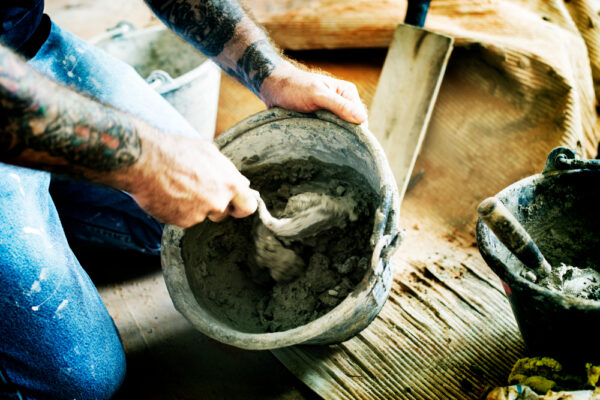
Proper proportions of ingredients in your concrete mixture directly influence its strength and performance. The right balance enhances durability, density, visual appeal, and resistance to weather conditions. Professional concrete suppliers should customize the mixture formula to match your specific project requirements. Environmental factors and intended use determine which combination works best for your situation. Driveways in cold climates benefit from specialized mixtures that resist frost damage. Air entrainment techniques create tiny air pockets that protect against freeze and thaw cycles. This adaptation significantly extends the functional life of concrete in harsh winter conditions.
How Climate Affects Your Concrete’s Durability
Environmental conditions play a crucial role in determining how long your concrete will remain serviceable. Indoor concrete surfaces typically outlast outdoor installations by many years due to weather protection. Exposure to rain, snow, temperature changes, and sunlight gradually wears down exterior concrete surfaces. Regions with severe winter weather can dramatically shorten the lifespan of outdoor concrete installations in areas like Wexford. Milder climates generally allow concrete to last longer without experiencing significant weather-related deterioration. Taking preventive steps to shield your concrete from harsh conditions extends its useful life.
Preparing the Ground Beneath Your Concrete
Poor foundation preparation ranks among the leading causes of early concrete failure in homes. A stable layer of compacted material underneath provides essential support for the concrete above. This base layer prevents common problems like cracking, erosion, and uneven settling over time. Gravel or crushed stone compacted firmly creates the uniform foundation that concrete needs. Following industry best practices for base preparation ensures proper load distribution and structural integrity. Thicker base layers can support heavier weights and increase the overall load capacity. Professional landscaping and grading services ensure proper drainage and soil preparation for driveways and areas with vehicle traffic, which often require additional base thickness for longevity. Proper ground preparation from the start prevents costly repairs and extends your concrete’s lifespan. Investing in quality foundation work ensures your concrete performs well under demanding conditions.
Why Concrete Strength Matters for Longevity
Concrete’s ability to withstand pressure indicates how well it handles heavy loads and impacts. Strength measurements reveal whether your concrete can endure the demands of daily use. Higher strength ratings typically translate to better durability and longer service life overall. Local building regulations and residential building standards establish minimum strength standards to ensure safe and reliable concrete installations. Exterior surfaces like driveways and decorative paving require adequate strength for optimal long-term performance. Meeting proper strength requirements protects your investment from premature wear and structural problems. Choosing concrete with appropriate strength characteristics ensures it can handle your specific usage needs.
Adding Strength with Reinforcement Materials
Steel materials embedded within concrete provide crucial support against various stress factors over time. Rebar or wire mesh helps the slab resist tension created by ground movement and shifting. Heavy loads, shrinkage during curing, and temperature fluctuations all create forces that reinforcement manages. Even when cracks appear, reinforced concrete limits their spread and reduces overall damage severity. Not every residential project requires steel reinforcement for adequate performance and longevity. Driveways supporting cars and trucks in Bradford Woods benefit significantly from this added structural support. Similar principles apply to retaining wall construction, where proper reinforcement techniques ensure long-lasting structural integrity. The initial investment in reinforcement pays off through improved durability and extended service life. Reinforced installations handle stress better and maintain their integrity longer than unreinforced alternatives.
Keeping Concrete Moist for Better Results
Allowing newly poured concrete to cure properly dramatically improves its long-term strength and durability. Maintaining adequate moisture levels during the initial curing period enables complete chemical reactions within the mixture. This hydration process continues as long as moisture remains available for the concrete to absorb. Concrete that receives proper moisture curing develops significantly greater strength than material that dries too quickly. Several effective techniques help retain moisture and prevent premature surface evaporation during this critical phase. Wet blankets placed over the surface, regular water spraying, and liquid curing compounds all work well. Each method serves the same purpose of keeping the concrete adequately moist throughout curing. The initial weeks prove most important, though concrete continues gaining strength for extended periods afterward. Patience during the curing stage ensures your concrete achieves its maximum potential strength and resilience.
Regular Care Extends Your Concrete’s Life
Consistent maintenance and protective treatments help your concrete surfaces last for many decades. Regular cleaning removes dirt and debris that can gradually deteriorate the surface over time. Applying quality sealers periodically creates a protective barrier against moisture and environmental damage. This protective layer blocks water penetration that leads to cracking during freeze and thaw cycles. Deicing chemicals used in winter also cause less harm when concrete has proper sealer protection. Decorative surfaces in Seven Fields gain extra benefits from regular sealing beyond just structural protection and longevity. Fresh sealer applications restore the original shine and vibrant appearance of colored or textured concrete. The protective coating guards against surface abrasion and everyday wear that dulls the finish. Making sealing part of your routine maintenance schedule preserves both function and beauty simultaneously.
Conclusion
Your concrete’s lifespan depends on multiple factors working together from initial installation through ongoing care. Proper mixture design, adequate ground preparation, sufficient strength, and quality reinforcement all contribute to durability. Climate conditions and regular maintenance practices ultimately determine whether your concrete reaches its full potential. Taking action on these key elements now protects your investment for decades to come.
Concrete remains one of the most reliable materials for residential projects when given proper attention. Whether you’re planning outdoor fire pits and entertainment areas that follow fire safety standards and outdoor fire prevention guidelines or comprehensive landscape design projects, simple preventive steps like sealing, cleaning, and winterization make a substantial difference in longevity. Baird Construction provides expert installation services for residential concrete projects throughout Fernway, Fox Run, Glen Eden, and surrounding communities. Start implementing these protective measures today to ensure your concrete surfaces serve you well. Contact us to learn more about our comprehensive concrete services and how we can help maximize the lifespan of your residential concrete. Your commitment to proper installation and consistent maintenance directly translates into years of dependable performance.
FAQs
When can I walk on my newly poured concrete without leaving marks?
Wait at least 24 to 48 hours before walking on new concrete. For heavier traffic or furniture, give it a full week to develop adequate strength and avoid permanent surface damage.
Can I repair cracked concrete, or do I need complete replacement?
Small cracks and surface damage are easily repairable with patching compounds or sealants. Replace only when you see widespread cracking, severe spalling, structural damage, or concrete exceeding 30 years old.
What’s the ideal temperature for pouring concrete to ensure proper curing?
Pour concrete when temperatures stay between 50°F and 60°F for best results. Avoid pouring below 40°F (freezing risk) or above 90°F (rapid drying), which both compromise strength and durability.
How thick should my residential concrete driveway be for standard vehicles?
A 4-inch thickness works for regular cars, but increase to 5-6 inches for heavier vehicles like trucks or RVs. Proper base preparation and reinforcement are equally important for longevity.
What causes that white, chalky residue appearing on my concrete surface?
This is efflorescence, mineral salts rising through concrete with moisture. When water evaporates, it leaves white deposits behind. Clean with mild acid solutions and seal concrete to prevent future occurrences.
Leave Your Comment