Your concrete driveway takes a beating from daily traffic, changing weather, and years of wear. Knowing when it needs repair can save you money and prevent small problems from becoming expensive projects. The six most common signs your concrete driveway needs repair are surface cracks, potholes, vegetation growing through the surface, water pooling and drainage problems, sinking or raised sections, and fading or discoloration. These issues can range from minor cosmetic concerns to serious structural problems that affect your home’s safety and curb appeal.
A well-maintained concrete driveway can last 25 to 30 years, but ignoring early warning signs often leads to costly replacements. Below, we break down each warning sign to watch for, explain why timely repairs matter, and walk you through the steps to fix and maintain your driveway so it lasts as long as possible.
Key Warning Signs You Shouldn’t Ignore
Not every sign of damage is equally serious, but any issue can get much worse if you don’t deal with it quickly. Below, we cover the most common problems you need to keep an eye on.
Surface Cracks and Pothole Damage
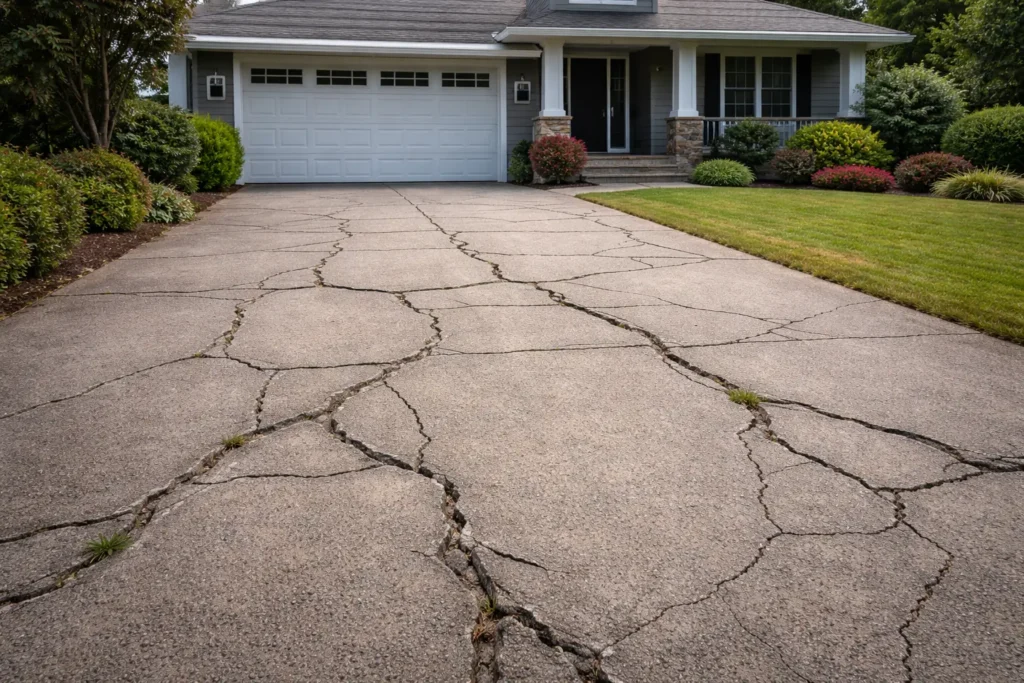
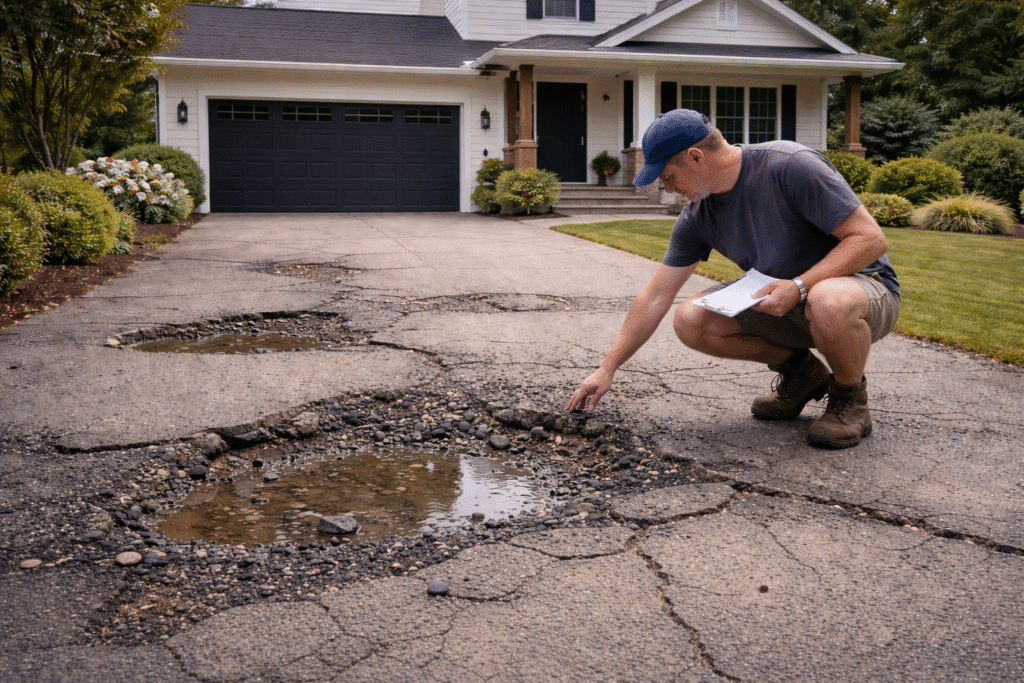
Cracks and potholes are some of the most common driveway problems homeowners deal with. A small crack might not look like a big deal, but it can grow fast due to weather shifts and everyday traffic. For instance, water can seep into these gaps and freeze in cold weather, forcing the material apart and making the damage worse. Potholes are just as troublesome because they can harm your car’s tires and suspension while creating a tripping hazard for anyone walking nearby. Fixing these issues early on is the best way to stop costly structural damage from spreading.
Weeds and Plants Growing Through Your Driveway
Not every crack means your driveway needs urgent repair. However, if you spot grass, weeds, or other plants pushing through the surface or growing along the edges, it means the material has already been weakened. These plants may look harmless, but their roots spread and push against the surrounding material, making current cracks bigger and forming new ones. If left unchecked, this kind of growth can cause much more serious damage and even threaten the overall stability of your driveway.
Water Pooling and Drainage Issues
Bad drainage can cause all kinds of problems for your driveway. If you notice water sitting on the surface or running off unevenly, that is a clear warning sign. When water sits too long, it weakens the driveway material, leading to cracks, erosion, and even damage to the foundation underneath. Over time, poor drainage can also cause mold and mildew to develop if nothing is done about it. This does not just affect your driveway but can also impact the areas around your home. Making sure your driveway has the right slope or adding proper drainage solutions can help prevent these problems and extend the life of your driveway.
Sinking or Raised Driveway Sections
Even when drainage is not a concern, an uneven driveway can point to bigger problems below the surface. Shifting soil, poor installation, or erosion from weather can cause parts of your driveway to sink or lift. These uneven spots are a tripping risk, especially for kids and older adults, and can also cause alignment issues for vehicles driving over them. If you ignore the problem, it will only get worse over time and could lead to expensive repairs or a full driveway replacement. The good news is that professional leveling methods can fix these issues without having to tear everything out and start over.
Color Loss and Surface Staining
Over time, driveways lose their original color from constant exposure to sunlight, harsh weather, and regular vehicle use. Concrete driveways are especially prone to stains and discoloration. While these changes are mostly about appearance, they can make your driveway look old and neglected, which brings down your home’s curb appeal. More importantly, fading is often a sign that the protective sealant has worn away, leaving the surface exposed and more likely to suffer other types of damage.
How Old Is Your Driveway?
The age of your driveway is one of the biggest factors in deciding whether repairs are needed. Concrete driveways can last up to 25 to 30 years when properly maintained. If your driveway is getting close to the end of its expected lifespan, even small problems could be a sign that major repairs or a full replacement are on the horizon. Keeping up with regular maintenance and fixing issues as they come up can help your driveway last longer. That said, knowing how long your driveway is built to last is essential for planning ahead and budgeting for future work.
Why Fixing Driveway Problems Early Matters
No matter which warning signs you spot, taking care of them right away saves you money and keeps small issues from turning into bigger safety or appearance problems. Cracks, potholes, and uneven surfaces can be dangerous for your family and visitors, raising the chance of trips, falls, and other accidents. On top of that, a neglected driveway can drag down your home’s curb appeal. This can leave a bad impression on guests and make it harder to get a fair price if you ever decide to sell your home.
Repairs might feel expensive in the moment, but smaller fixes are much more affordable than large-scale restoration or a complete driveway replacement. By staying on top of these problems early, you can avoid serious structural or foundation damage that could lead to much bigger repair bills down the road.
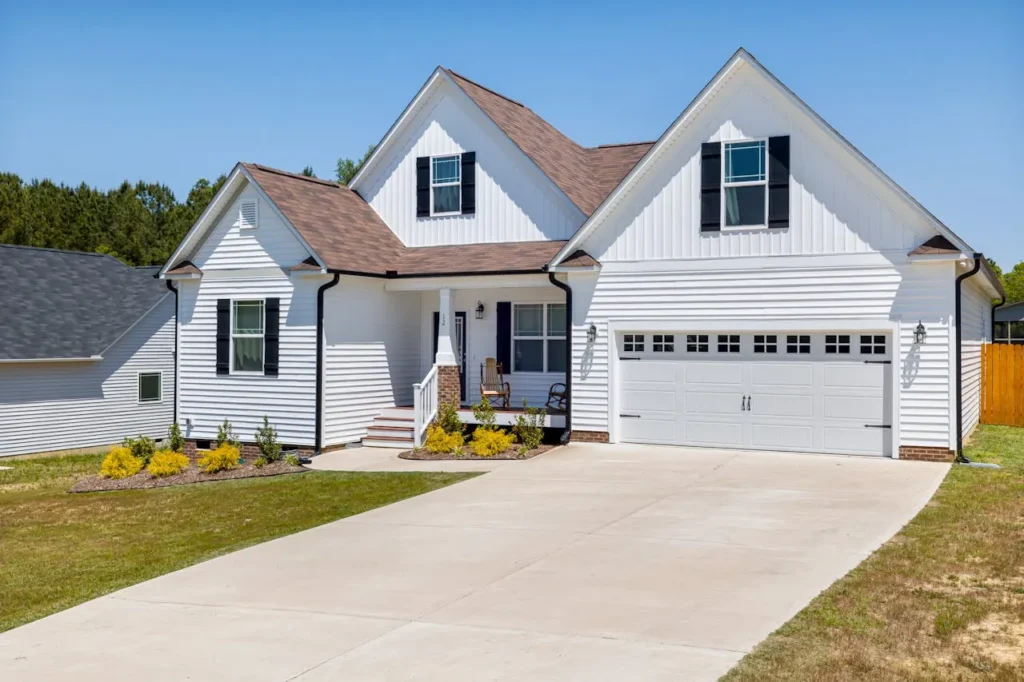
How To Repair and Maintain Your Driveway
Once you have decided it is time to fix your driveway, the first step is to take a close look at the damage. Walk along the entire driveway and check for cracks, potholes, uneven areas, or fading. Try to figure out whether the problems are just surface-level, minor structural concerns, or signs of something more serious like drainage issues or a weakening foundation. If you are not sure how bad the damage is, calling in a professional is well worth it. A trained expert can pinpoint the root cause of the problem and suggest the best course of action, which can save you both time and money in the long run.
Based on how severe the damage is, a professional may recommend simple and budget-friendly fixes like crack filling, resealing, or patching to restore the surface. For moderate damage, resurfacing may be needed to create a smooth and safe driveway again. However, if the foundation underneath has broken down or the damage covers a large area, a full replacement may be the only way to ensure your driveway lasts for years to come.
After the repairs are finished, keeping up with regular maintenance is your responsibility to prevent future damage and get the most life out of your driveway. Start by cleaning it regularly, sweeping away leaves and debris, and washing off dirt and stains to keep it looking fresh. Applying a sealant every few years also helps protect the surface from water damage, UV exposure, & chemicals like oil or gasoline. Simple habits like making sure water drains properly, pulling out any weeds or plants growing through the surface, and avoiding parking heavy vehicles on the driveway can also make a big difference. With steady upkeep, your driveway will stay in great shape and look its best for many years.
Keep Your Driveway in Top Shape for Years to Come
Your concrete driveway is one of the first things people notice about your home, and keeping it in good condition protects both your property value and your family’s safety. Whether you are dealing with small surface cracks, stubborn potholes, poor drainage, or widespread fading, the key is to act before minor issues turn into major headaches. Regular inspections, prompt repairs, and simple maintenance habits like sealing and cleaning can add years to your driveway’s lifespan and save you thousands in replacement costs. If you are unsure about the condition of your driveway, do not wait for the damage to get worse. Reach out to a trusted concrete professional who can assess the situation and recommend the right solution for your needs. A little attention now goes a long way toward keeping your driveway safe, functional, and looking its best.
Frequently Asked Questions
How do I know if my concrete driveway needs to be repaired or fully replaced?
If the damage is limited to a few small cracks, surface stains, or minor potholes, repairs like crack filling, patching, or resealing are usually enough. However, if your driveway has widespread cracking, large sunken sections, or serious foundation problems, a full replacement may be the more cost-effective long-term option. A professional inspection can help you decide which route makes the most sense.
How long does a concrete driveway typically last?
A properly maintained concrete driveway can last anywhere from 25 to 30 years. The actual lifespan depends on factors like climate, traffic volume, soil conditions, and how consistently you keep up with maintenance tasks like sealing and crack repair.
Can I repair driveway cracks myself, or should I hire a professional?
Small, shallow cracks can often be handled as a DIY project using concrete crack filler from a hardware store. However, for wider cracks, deep damage, or problems that involve drainage or foundation issues, hiring a professional is the safer and more reliable choice.
How often should I seal my concrete driveway?
Most experts recommend sealing your concrete driveway every two to three years. Regular sealing protects the surface from water damage, UV exposure, oil stains, and chemical spills, which all contribute to faster wear and deterioration over time.
Does a damaged driveway affect my home’s value?
Yes, a cracked, stained, or uneven driveway can significantly lower your home’s curb appeal, which directly impacts its perceived value. Buyers often view a neglected driveway as a sign of poor overall home maintenance, making it harder to sell at your asking price.
Leave Your Comment